Close Menu
  • Home
  • Entertainment
  • National
  • International
  • Tech
  • Politics
  • Sports
  • PMNI
  • More
    • Business
    • Culture
    • Education
    • History
    • Health
  • Featured
    • Fishe Travel
    • Fishe Media
    • Fishe TV
Facebook X (Twitter) Instagram
FISHE NEWS
  • Home
  • Entertainment
  • National
  • International
  • Tech
  • Politics
  • Sports
  • PMNI
  • More
    • Business
    • Culture
    • Education
    • History
    • Health
  • Featured
    • Fishe Travel
    • Fishe Media
    • Fishe TV
Facebook X (Twitter) Instagram
FISHE NEWS
Home»Article/Column»The History And Significant Of Labour Day
Article/Column

The History And Significant Of Labour Day

Onyinyechi NwanunobiBy Onyinyechi NwanunobiMay 1, 2023No Comments3 Mins Read
Facebook Twitter Pinterest LinkedIn Tumblr Email
Share
Facebook Twitter LinkedIn Pinterest Email

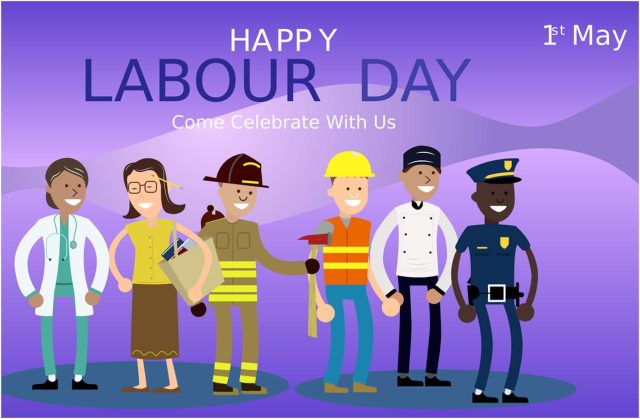
Labour Day, also known as International Workers’ Day, is celebrated on May 1, every year in many countries around the world.

This day is dedicated to the working class and their contributions to society. The history and evolution of Labour Day is a story of the struggles and triumphs of the labour movement.

The origins of Labour Day can be traced back to the late 19th century when workers in industrialised countries were fighting for better working conditions, fair wages and the right to form labour unions.
In the United States, the first Labour Day was celebrated in 1882 in New York City and was organised by the Central Labour Union. It was meant to be a day off for the working class, a time to celebrate their hard work and contributions to society. It quickly spread to other cities and became a yearly event.

In 1889, the International Socialist Conference in Paris declared May 1 as International Workers’ Day, to commemorate the Haymarket affair, which was held in Chicago in 1886. On May 1 of that year, a peaceful demonstration of workers turned violent when a bomb was thrown at police, killing several officers and demonstrators. Eight anarchists were arrested and convicted, despite little evidence linking them to the crime. Four were executed, and one committed suicide in prison. The Haymarket affair became a rallying cry for workers around the world and inspired the creation of International Workers’ Day.



In the early 20th century, Labour Day became an important day for political rallies and demonstrations, especially in socialist and communist countries. It was a day for workers to demand better working conditions, higher wages, and more rights. The Soviet Union made May 1 a national holiday in 1917, and many other countries followed suit.

In the United States, Labour Day became a federal holiday in 1894, following the Pullman Strike, which saw over 250,000 workers go on strike to protest wage cuts and poor working conditions. President Grover Cleveland signed the law making Labour Day a federal holiday, just six days after the end of the strike, as a way to ease tensions and improve relations between government and labour unions.

Over the years, the meaning and significance of Labour Day has evolved. In many countries, it is still a day for political rallies and demonstrations, but it is also a day for celebrating the achievements of the working class. It is a time to recognize the contributions of workers to society and to honour the struggles of those who fought for better working conditions and labour rights.

In some countries, Labour Day has become an occasion for spring festivals and parades. In others, it is a day for picnics, barbecues and family gatherings. However, the spirit of the labour movement and the struggles of the working class are still at the heart of the holiday.

Share. Facebook Twitter Pinterest LinkedIn Tumblr Email
Onyinyechi Nwanunobi
  • Website

Related Posts

100 Days To Nigeria’s 2027 Election: The Ballot, The Battle And The Burden

October 5, 2026

Nigeria’s Data Needs To Return Home. But Is Our Infrastructure Up To The Task?

October 4, 2026

Nigeria Begins Local Production Of Next-Generation Malaria Nets As Harvestfield Opens New Front In Health Manufacturing

October 2, 2026

Comments are closed.

Here is spotlighting many benefits of journeying with either Lagos State’s Blueline or Redline rails for a hassle-free day, week, month and year. Thank God for the Igbega Eko. Together we rise.
https://youtu.be/V67GV8wgyjw

Latest Posts

  • 100 Days To Nigeria’s 2027 Election: The Ballot, The Battle And The Burden
  • Nigeria’s Data Needs To Return Home. But Is Our Infrastructure Up To The Task?
  • Nigeria Begins Local Production Of Next-Generation Malaria Nets As Harvestfield Opens New Front In Health Manufacturing
  • From Appropriation To Impact: What The 2025 Budget Extension Means For Citizens
  • Fuel Import Licence Ruling Opens New Front In Nigeria’s Battle Over Who Controls Petrol Supply

LATEST POSTS

100 Days To Nigeria’s 2027 Election: The Ballot, The Battle And The Burden

October 5, 2026

Nigeria’s Data Needs To Return Home. But Is Our Infrastructure Up To The Task?

October 4, 2026

Nigeria Begins Local Production Of Next-Generation Malaria Nets As Harvestfield Opens New Front In Health Manufacturing

October 2, 2026

From Appropriation To Impact: What The 2025 Budget Extension Means For Citizens

October 1, 2026

Fuel Import Licence Ruling Opens New Front In Nigeria’s Battle Over Who Controls Petrol Supply

September 30, 2026

Subscribe to Updates

Get the latest news from FISHE about politics, economy, health and business, etc

Facebook X (Twitter) Instagram Pinterest
© 2026 ThemeSphere. Designed by ThemeSphere.

Type above and press Enter to search. Press Esc to cancel.