Close Menu
  • Home
  • Entertainment
  • National
  • International
  • Tech
  • Politics
  • Sports
  • PMNI
  • More
    • Business
    • Culture
    • Education
    • History
    • Health
  • Featured
    • Fishe Travel
    • Fishe Media
    • Fishe TV
Facebook X (Twitter) Instagram
FISHE NEWS
  • Home
  • Entertainment
  • National
  • International
  • Tech
  • Politics
  • Sports
  • PMNI
  • More
    • Business
    • Culture
    • Education
    • History
    • Health
  • Featured
    • Fishe Travel
    • Fishe Media
    • Fishe TV
Facebook X (Twitter) Instagram
FISHE NEWS
Home»National»Report Highlights Rising Toll Of Farmer-Herder Conflicts In Nigeria
National

Report Highlights Rising Toll Of Farmer-Herder Conflicts In Nigeria

Adejuyigbe FrancisBy Adejuyigbe FrancisMarch 31, 2025No Comments2 Mins Read
Facebook Twitter Pinterest LinkedIn Tumblr Email
Share
Facebook Twitter LinkedIn Pinterest Email

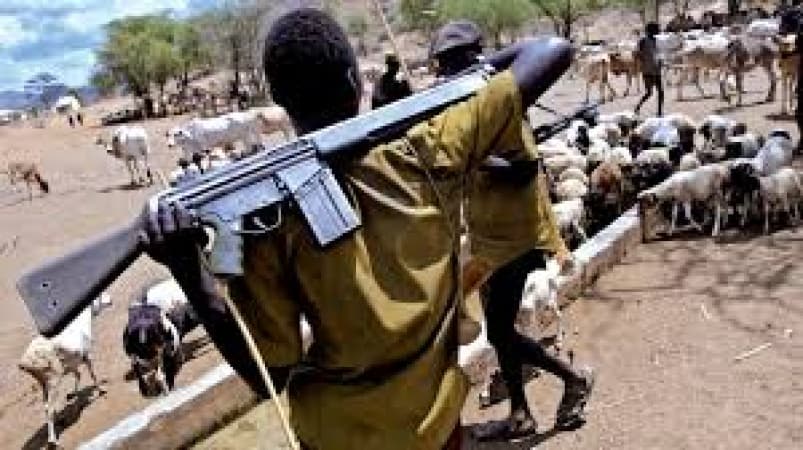
Report Highlights Rising Toll Of Farmer-Herder Conflicts In Nigeria.

A recent report by SBM Intelligence has revealed the devastating impact of farmer-herder conflicts in Nigeria, with 542 civilians killed since 2019 and over 2.2 million people displaced. The long-standing crisis, driven by competition over land and resources, continues to threaten lives, livelihoods, and food security across the country.


The report highlights that Nigeria’s security landscape, already troubled by terrorism and insurgency, has been further complicated by farmer-herder clashes. These conflicts arise from disputes between agrarian farmers and nomadic herdsmen, many of whom are of Fulani origin. Factors such as climate change, population growth, economic shifts, and ethnic tensions have all contributed to the crisis.



A Growing Humanitarian and Economic Crisis  

The consequences of the conflict have been dire, with entire communities reduced to ruins. The Middle Belt, a key agricultural region, has seen a decline in food production, exacerbating inflation and food insecurity. In Benue State alone, around 300,000 displaced persons are living in overcrowded camps.


“By the 2010s, these conflicts had evolved into a full-blown security crisis,” the report noted. “Armed groups, including Fulani militias linked to organised crime syndicates, have worsened the violence, leading to widespread displacement and destruction.”


Historical Context and Escalation

Though tensions between Fulani herdsmen and farmers date back decades, the situation worsened in the 1970s due to environmental pressures, including droughts that forced pastoralists to migrate southwards. With increasing urbanisation and land expansion, traditional grazing routes were encroached upon, leading to more frequent clashes.


The conflicts intensified in the 1990s as climate change and desertification reduced available grazing land. By the 2010s, the proliferation of modern weapons further escalated violence, turning local disputes into large-scale security threats.


Efforts to Resolve the Conflict

Despite several measures to curb the crisis, including anti-open grazing laws, the RUGA Settlement Initiative, and peace dialogues, violence persists. The report notes that enforcement challenges and political resistance have hindered progress.


“Enforcement has proven to be a major challenge, with herders often defying bans due to a lack of alternative grazing options and poor institutional capacity for law enforcement,” the report stated.


With pastoral violence continuing to spread, experts stress the need for more comprehensive solutions to address the root causes of the crisis and bring lasting peace to affected communities.

Farmer–Herdsmen herdsmen SBM Intelligence
Share. Facebook Twitter Pinterest LinkedIn Tumblr Email
Adejuyigbe Francis
  • Website

Thought Leader, Idea Bank, Nation Builder.

Related Posts

BREAKING IN THE NEWS: Several Feared Dead As Helicopter Crashes In Igbokoda, Ondo State

October 5, 2026

100 Days To Nigeria’s 2027 Election: The Ballot, The Battle And The Burden

October 5, 2026

Nigeria’s Data Needs To Return Home. But Is Our Infrastructure Up To The Task?

October 4, 2026

Comments are closed.

Here is spotlighting many benefits of journeying with either Lagos State’s Blueline or Redline rails for a hassle-free day, week, month and year. Thank God for the Igbega Eko. Together we rise.
https://youtu.be/V67GV8wgyjw

Latest Posts

  • BREAKING IN THE NEWS: Several Feared Dead As Helicopter Crashes In Igbokoda, Ondo State
  • 100 Days To Nigeria’s 2027 Election: The Ballot, The Battle And The Burden
  • Nigeria’s Data Needs To Return Home. But Is Our Infrastructure Up To The Task?
  • Nigeria Begins Local Production Of Next-Generation Malaria Nets As Harvestfield Opens New Front In Health Manufacturing
  • From Appropriation To Impact: What The 2025 Budget Extension Means For Citizens

LATEST POSTS

BREAKING IN THE NEWS: Several Feared Dead As Helicopter Crashes In Igbokoda, Ondo State

October 5, 2026

100 Days To Nigeria’s 2027 Election: The Ballot, The Battle And The Burden

October 5, 2026

Nigeria’s Data Needs To Return Home. But Is Our Infrastructure Up To The Task?

October 4, 2026

Nigeria Begins Local Production Of Next-Generation Malaria Nets As Harvestfield Opens New Front In Health Manufacturing

October 2, 2026

From Appropriation To Impact: What The 2025 Budget Extension Means For Citizens

October 1, 2026

Subscribe to Updates

Get the latest news from FISHE about politics, economy, health and business, etc

Facebook X (Twitter) Instagram Pinterest
© 2026 ThemeSphere. Designed by ThemeSphere.

Type above and press Enter to search. Press Esc to cancel.