
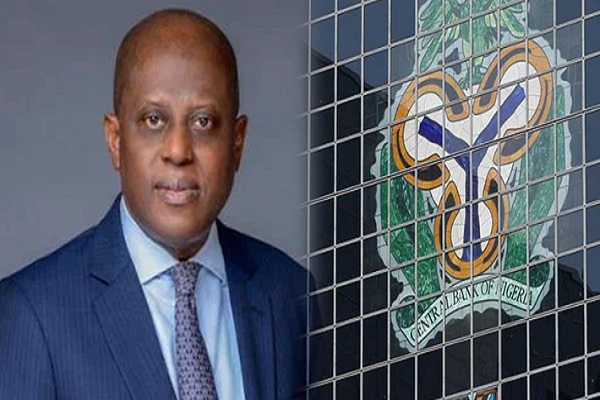
In a recent disclosure by the Central Bank of Nigeria (CBN), Nigerians’ spending on foreign education, healthcare, and personal travels has reached over $98 billion in the span of ten years.
This revelation was made by the CBN Governor, Olayemi Cardoso, during an address to the House of Representatives, shedding light on factors influencing the recent depreciation of the naira.
The CBN governor highlighted the significant surge in expenditure on foreign education, totaling $28.65 billion, alongside healthcare expenses of $11.01 billion and personal travel allowances amounting to $58.7 billion between 2010 and 2020. Cardoso underscored the magnitude of this expenditure, surpassing the country’s total foreign exchange reserves.
The House of Representatives summoned Cardoso and other economic stakeholders following the recent sharp decline of the naira against the dollar in the official market, raising concerns among members and the public alike. The depreciation was attributed to various factors including increased demand for foreign exchange, speculative forex activity, and inadequate forex due to low remittances of crude oil earnings to the CBN, among others.

In response to exchange rate volatility, Cardoso outlined measures initiated by the CBN to enhance liquidity in the FX markets. These measures include unifying FX market segments, addressing outstanding FX obligations, implementing new operational mechanisms for Bureau De Change operators, enforcing regulatory limits for commercial banks, and adjusting remunerable deposit facility caps.
Furthermore, Cardoso contextualized Nigeria’s economic challenges, citing a decline in oil revenues and increasing imports as exacerbating factors. He emphasized the need for a collective effort beyond monetary policy actions to stabilize the exchange rate, calling for a shift in citizens’ consumption patterns towards locally manufactured goods.
In parallel, discussions in the National Assembly underscored the gravity of Nigeria’s economic situation, with lawmakers pledging commitment to address fiscal and revenue challenges. The House of Representatives, led by Deputy Speaker Benjamin Kalu, emphasized the urgency of confronting economic realities and ensuring fiscal integrity for sustainable economic growth.
Moreover, economic managers including Minister of Budget and National Planning Atiku Bagudu, Minister of Finance and Coordinating Minister of the Economy Wale Edun, and Chairman of the Federal Inland Revenue Service Zaach Adedeji, reiterated government efforts to revitalize the economy through agricultural development, infrastructure, and revenue mobilization strategies.
Meanwhile, stakeholders in the private sector echoed the need for structural reforms to promote local production and reduce dependency on imported goods. The Lagos Chamber of Commerce and Industry President, Gabriel Idahosa, emphasized the importance of shifting consumer preferences towards domestically manufactured products, citing China’s economic model as a precedent for building a robust economy through disciplined consumption.
In conclusion, while Nigeria grapples with economic challenges, concerted efforts from both the government and private sector are imperative to navigate towards sustainable economic recovery and growth.
