Close Menu
  • Home
  • Entertainment
  • National
  • International
  • Tech
  • Politics
  • Sports
  • PMNI
  • More
    • Business
    • Culture
    • Education
    • History
    • Health
  • Featured
    • Fishe Travel
    • Fishe Media
    • Fishe TV
Facebook X (Twitter) Instagram
FISHE NEWS
  • Home
  • Entertainment
  • National
  • International
  • Tech
  • Politics
  • Sports
  • PMNI
  • More
    • Business
    • Culture
    • Education
    • History
    • Health
  • Featured
    • Fishe Travel
    • Fishe Media
    • Fishe TV
Facebook X (Twitter) Instagram
FISHE NEWS
Home»National»Nigerian Textile Industry Struggles Amidst 106.7% Surge In Imports
National

Nigerian Textile Industry Struggles Amidst 106.7% Surge In Imports

Omolemi EboisetaleBy Omolemi EboisetaleApril 8, 2024No Comments2 Mins Read
Facebook Twitter Pinterest LinkedIn Tumblr Email
Share
Facebook Twitter LinkedIn Pinterest Email

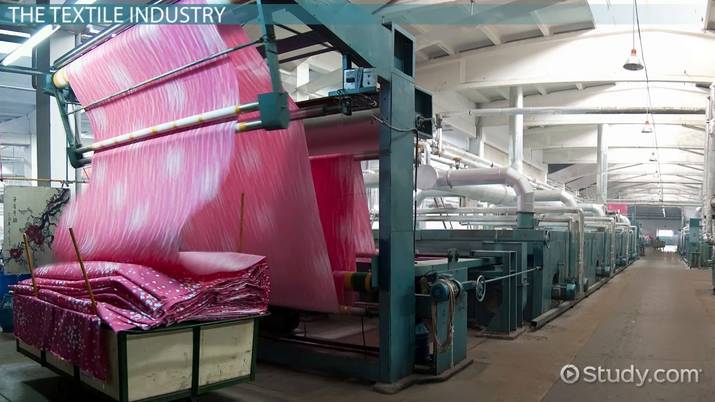
The Nigerian textile industry remains in a state of struggle as imports of textile products into the country surge by 106.7 percent over four years, reaching N377.1 billion in 2023.

According to data from the National Bureau of Statistics (NBS), textile imports have consistently risen, starting from N182.5 billion in 2020, climbing to N278.8 billion in 2021, N365.5 billion in 2022, and peaking at N377.1 billion in 2023.


Despite initiatives by the Central Bank of Nigeria (CBN) including financial support, training, and forex restrictions on textile imports, the sector continues to struggle.



Nigeria holds significant potential in the textile and apparel industry, with a rich history of production and a large domestic market. However, challenges such as smuggling, importation, unreliable power supply, policy inconsistencies, and insecurity have led to the demise of once-thriving textile mills.


Hamma Kwajaffa, Director General of the Nigerian Textile Manufacturers Association, highlighted the high cost of production as a factor hindering the competitiveness of the local industry and deterring investments. 

John Adaji, the former President of the National Union of Textile Garment and Tailoring Workers of Nigeria (NUTGTWN), speaking at the union  13th National Delegates conference, lamented on the dominance of imported textiles, accounting for 90 percent of products in the Nigerian market, worth over $4 billion annually.


 Adaji stressed the urgent need for government action to revive the sector, pointing to successful models like South Africa’s “Buy South Africa” campaign.

“90 percent of textile products in Nigerian markets today are imported. The government should revive and invest in the textile industry in order to create 2 million jobs in the country and as well reduce over $4 billion import bill incurred on textile and apparels annually,” he said.

He however praised the government’s Executive Order 003, which promotes local goods, as a positive step but emphasized the importance of full implementation to drive the sector’s recovery.

NBS Nigerian textile industry
Share. Facebook Twitter Pinterest LinkedIn Tumblr Email
Omolemi Eboisetale
  • Website

Related Posts

Nigeria’s Data Needs To Return Home. But Is Our Infrastructure Up To The Task?

October 4, 2026

Nigeria Begins Local Production Of Next-Generation Malaria Nets As Harvestfield Opens New Front In Health Manufacturing

October 2, 2026

From Appropriation To Impact: What The 2025 Budget Extension Means For Citizens

October 1, 2026

Comments are closed.

Here is spotlighting many benefits of journeying with either Lagos State’s Blueline or Redline rails for a hassle-free day, week, month and year. Thank God for the Igbega Eko. Together we rise.
https://youtu.be/V67GV8wgyjw

Latest Posts

  • Nigeria’s Data Needs To Return Home. But Is Our Infrastructure Up To The Task?
  • Nigeria Begins Local Production Of Next-Generation Malaria Nets As Harvestfield Opens New Front In Health Manufacturing
  • From Appropriation To Impact: What The 2025 Budget Extension Means For Citizens
  • Fuel Import Licence Ruling Opens New Front In Nigeria’s Battle Over Who Controls Petrol Supply
  • Nigeria’s Permanent UN Security Council Bid: A Strong Case for Africa, But A Weak Case For Nigeria Alone

LATEST POSTS

Nigeria’s Data Needs To Return Home. But Is Our Infrastructure Up To The Task?

October 4, 2026

Nigeria Begins Local Production Of Next-Generation Malaria Nets As Harvestfield Opens New Front In Health Manufacturing

October 2, 2026

From Appropriation To Impact: What The 2025 Budget Extension Means For Citizens

October 1, 2026

Fuel Import Licence Ruling Opens New Front In Nigeria’s Battle Over Who Controls Petrol Supply

September 30, 2026

Nigeria’s Permanent UN Security Council Bid: A Strong Case for Africa, But A Weak Case For Nigeria Alone

September 28, 2026

Subscribe to Updates

Get the latest news from FISHE about politics, economy, health and business, etc

Facebook X (Twitter) Instagram Pinterest
© 2026 ThemeSphere. Designed by ThemeSphere.

Type above and press Enter to search. Press Esc to cancel.