Close Menu
  • Home
  • Entertainment
  • National
  • International
  • Tech
  • Politics
  • Sports
  • PMNI
  • More
    • Business
    • Culture
    • Education
    • History
    • Health
  • Featured
    • Fishe Travel
    • Fishe Media
    • Fishe TV
Facebook X (Twitter) Instagram
FISHE NEWS
  • Home
  • Entertainment
  • National
  • International
  • Tech
  • Politics
  • Sports
  • PMNI
  • More
    • Business
    • Culture
    • Education
    • History
    • Health
  • Featured
    • Fishe Travel
    • Fishe Media
    • Fishe TV
Facebook X (Twitter) Instagram
FISHE NEWS
Home»Electricity»Nigerian Electricity Meter Prices Increase By 28% Amid Market Deregulation
Electricity

Nigerian Electricity Meter Prices Increase By 28% Amid Market Deregulation

Adejuyigbe FrancisBy Adejuyigbe FrancisNovember 6, 2024No Comments2 Mins Read
Facebook Twitter Pinterest LinkedIn Tumblr Email
Share
Facebook Twitter LinkedIn Pinterest Email

Nigerian Electricity Meter Prices Increase By 28% Amid Market Deregulation.

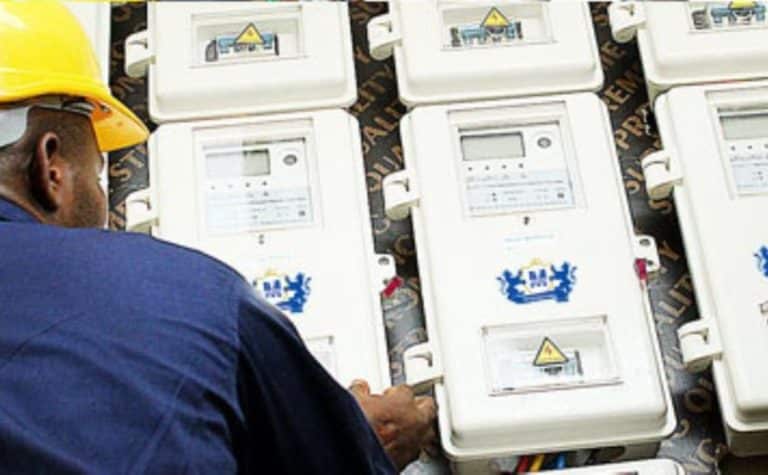
Nigeria’s Electricity Distribution Companies (DisCos) have announced a significant increase in electricity meter prices, marking the second price adjustment in just four months. The cost of single-phase meters has now risen by 28.03%, going from approximately ₦117,000 to as high as ₦149,800, depending on the distribution company. This hike is part of an ongoing market deregulation led by the Nigerian Electricity Regulatory Commission (NERC), aimed at improving the efficiency of meter provision.


New meter prices were published on DisCos’ official X accounts, with the new rates effective from 5 November 2024. Under this adjustment, meter costs now vary significantly across regions:



Eko DisCo prices single-phase meters from ₦135,987.50 to ₦161,035, and three-phase meters between ₦226,600 and ₦266,600.

Ibadan DisCo charges ₦130,998 to ₦142,548 for single-phase meters, with three-phase meters priced between ₦226,556.25 and ₦232,008.

Abuja DisCo offers single-phase meters from ₦123,130.53 to ₦147,812.50 and three-phase meters between ₦206,345.65 and ₦236,500.

Kano DisCo lists single-phase meters from ₦127,925 to ₦129,999, with three-phase options costing between ₦223,793 and ₦235,425.

Kaduna DisCo provides single-phase meters at ₦131,150 to ₦142,548.94 and three-phase meters from ₦220,375 to ₦232,008.04.


The recent price hikes follow NERC’s April 2024 deregulation policy for the Meter Asset Provider (MAP) scheme, which aims to create a more competitive metering environment by allowing vendors to set prices through competitive bidding rather than centralised regulation. This deregulation is intended to encourage competition, improve service quality, and increase transparency, with MAP vendors now permitted to operate across all distribution networks, provided they meet regulatory standards.


Previously, NERC controlled meter prices to keep them affordable; however, this approach restricted market competition and transparency. Under the new framework, DisCos and customers are free to negotiate with multiple vendors, potentially securing better deals and improving overall efficiency in the meter supply system.


While this deregulation is expected to enhance the metering process, the recent price increases have raised concerns among consumers regarding the affordability of metering services. NERC, however, remains optimistic that the long-term benefits of a competitive metering market will outweigh these initial adjustments, ultimately leading to improved pricing and service quality for Nigerian electricity consumers.

#NERC Electricity Nigerian DisCo Prepaid Meters
Share. Facebook Twitter Pinterest LinkedIn Tumblr Email
Adejuyigbe Francis
  • Website

Thought Leader, Idea Bank, Nation Builder.

Related Posts

Tinubu’s Agricultural Vision: A Renewed Commitment To Food Security And Farmers’ Prosperity

November 23, 2026

No NIN, No Flight: FG Gives Airlines Until December 31 Before January Enforcement

November 23, 2026

Nigeria’s Fintech Boom Comes With A New National Responsibility

November 23, 2026

Comments are closed.

Here is spotlighting many benefits of journeying with either Lagos State’s Blueline or Redline rails for a hassle-free day, week, month and year. Thank God for the Igbega Eko. Together we rise.
https://youtu.be/V67GV8wgyjw

Latest Posts

  • Tinubu’s Agricultural Vision: A Renewed Commitment To Food Security And Farmers’ Prosperity
  • No NIN, No Flight: FG Gives Airlines Until December 31 Before January Enforcement
  • Nigeria’s Fintech Boom Comes With A New National Responsibility
  • A Nation Can’t Move Forward With Yesterday’s Laws
  • LAGOS 2027: Why Obafemi Hamzat Stands Head And Shoulders Above The Opposition

LATEST POSTS

Tinubu’s Agricultural Vision: A Renewed Commitment To Food Security And Farmers’ Prosperity

November 23, 2026

No NIN, No Flight: FG Gives Airlines Until December 31 Before January Enforcement

November 23, 2026

Nigeria’s Fintech Boom Comes With A New National Responsibility

November 23, 2026

A Nation Can’t Move Forward With Yesterday’s Laws

November 13, 2026

LAGOS 2027: Why Obafemi Hamzat Stands Head And Shoulders Above The Opposition

November 12, 2026

Subscribe to Updates

Get the latest news from FISHE about politics, economy, health and business, etc

Facebook X (Twitter) Instagram Pinterest
© 2026 ThemeSphere. Designed by ThemeSphere.

Type above and press Enter to search. Press Esc to cancel.