
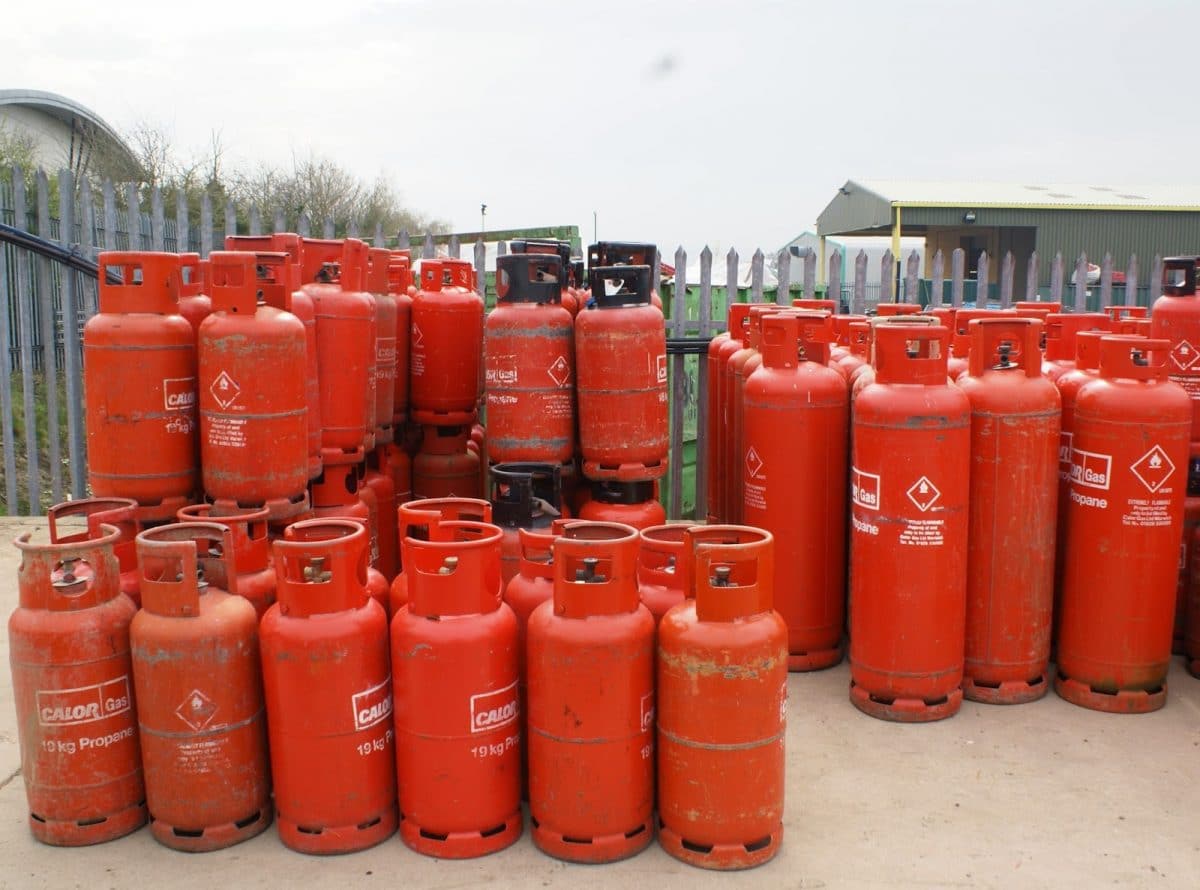
On April 1, 2026, the Nigerian federal government approved an upward review of domestic natural gas prices, a move implemented through the Nigerian Midstream and Downstream Petroleum Regulatory Authority (NMDPRA). The decision is part of ongoing energy sector reforms aimed at ensuring cost-reflective pricing, improving supply, and attracting investment into Nigeria’s gas market.
Details of the Gas Price Increase
According to an official circular issued by the NMDPRA:
- New gas price for power generation companies (GenCos):
Increased from $2.13/MMBTU to $2.18/MMBTU - Absolute increase: $0.05/MMBTU
- Effective date: April 1, 2026
Additional pricing adjustments include:
- Commercial users:
Increased from $2.63/MMBTU to $2.68/MMBTU - Domestic Base Price (DBP):
Set at $2.18/MMBTU, serving as the minimum price for gas sales in Nigeria - Gas-based industries (e.g., ammonia, urea, methanol, low-sulfur diesel):
Operate within a price band of $0.9 (floor) to $2.18 (ceiling)
This adjustment represents a 2.35% increase and reflects a structured pricing framework for different segments of the domestic gas market.
Policy and Regulatory Context
The price increase aligns with provisions of the Petroleum Industry Act (PIA), which mandates:
- Cost-reflective energy pricing
- A sustainable domestic gas supply framework
- Increased private sector participation in the energy industry
The government, through the NMDPRA, aims to balance affordability with the need to incentivize upstream producers to supply gas to the domestic market rather than prioritizing exports.
Reasons for the Price Adjustment
a. Cost-Reflective Pricing
Rising production, processing, and transportation costs necessitate periodic adjustments to ensure suppliers remain profitable and willing to invest.

b. Supply Incentives
Low domestic gas prices in the past discouraged local supply. The revised pricing seeks to:
- Encourage gas producers
- Reduce supply shortages
- Improve reliability in the power sector
c. Market Alignment
The new pricing reflects both domestic realities and global energy benchmarks, ensuring Nigeria remains competitive among gas-producing nations.
Impact on the Power Sector
a. Increased Generation Costs
Gas-fired plants generate over 70% of Nigeria’s electricity, meaning higher gas prices directly increase the cost of power generation.
b. Existing Sector Challenges
The price hike comes amid significant structural issues:
- Gas supply shortages affecting power generation
- Ongoing disputes over debts between government and GenCos
The Association of Power Generation Companies has recently claimed that:
- The federal government owes approximately ₦6 trillion to generation companies
However, this figure has been disputed by the Minister of Power, Adebalu.
c. Worsening “Gas Constraint” Problem
The increase in gas prices may exacerbate the sector’s long-standing gas constraint challenge, where:
- Power plants cannot access sufficient gas
- Suppliers are reluctant due to unpaid debts
This could lead to:
- Reduced electricity generation
- More frequent power outages
- Potential tariff increases for consumers
Impact on Industry and the Economy
a. Manufacturing and Industrial Sector
Industries dependent on gas—such as:
- Fertilizer (urea, ammonia)
- Petrochemicals (methanol)
- Refining (low-sulfur diesel)
may face:
- Higher production costs
- Reduced competitiveness
- Increased product prices
b. Inflationary Pressure
The ripple effects of higher gas prices could:
- Raise electricity tariffs
- Increase cost of goods and services
- Contribute to broader inflation
c. Business Environment
Small and medium enterprises (SMEs), already burdened by energy costs, may experience:
- Reduced profit margins
- Potential layoffs or downsizing
Broader Energy Sector Context
The gas price increase is part of a wider transformation in Nigeria’s energy landscape:
- Transition away from subsidy-based pricing models
- Greater reliance on market-driven mechanisms
- Efforts to boost domestic gas utilisation under initiatives like “Decade of Gas”
However, challenges persist, including:
- Infrastructure deficits
- Payment shortfalls in the electricity value chain
- Exchange rate volatility affecting energy pricing
Public and Stakeholder Reactions
While the increase is relatively modest in absolute terms, stakeholders have raised concerns about:
- Additional pressure on an already fragile power sector
- Rising cost of living
- Lack of adequate cushioning measures for consumers
Energy price adjustments remain politically and socially sensitive in Nigeria, given their direct impact on households and businesses.
Conclusion
The Federal Government April 2026 gas price increase greetings to Nigerians to $2.18/MMBTU represents a continuation of Nigeria’s shift toward cost-reflective energy pricing under the Petroleum Industry Act. While the policy is designed to improve supply and attract investment, its timing—amid debt disputes and supply shortages in the power sector—poses significant risks.
Without addressing underlying structural issues such as GenCos’ debt, gas supply constraints, and infrastructure gaps, the price hike may deepen challenges in electricity generation and amplify economic pressures on consumers.
A balanced approach—combining pricing reform with sector stabilization measures—will be critical to achieving sustainable energy security in Nigeria.
