
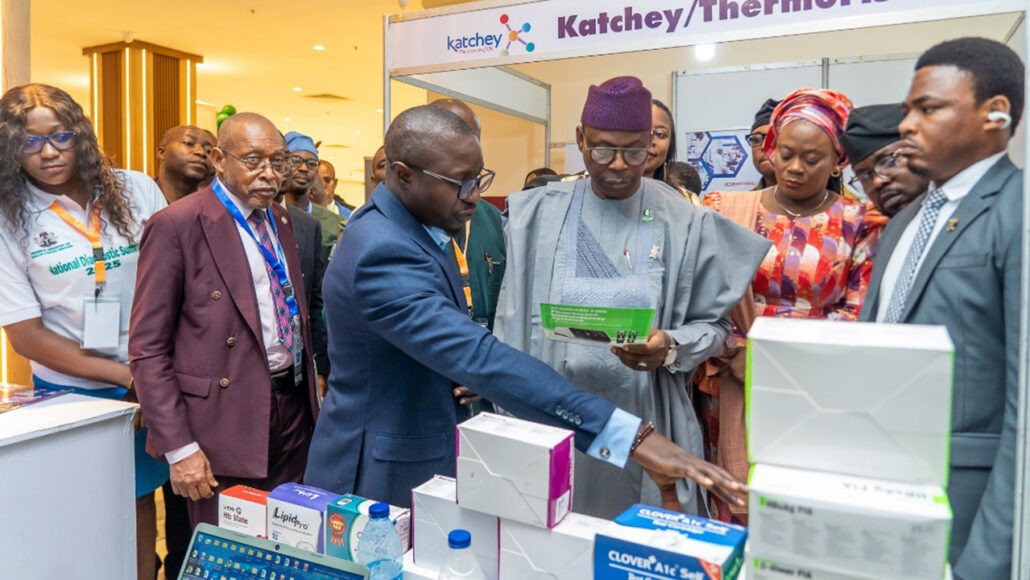
Federal Government Seeks To Standardise Diagnostic Services For Improved Healthcare.
The Federal Government has underscored the importance of standardising and harmonising diagnostic services across all levels of healthcare in the country. Speaking at the National Summit on Diagnostics in Abuja, the Minister of State for Health, Dr Adekunle Salako, highlighted the critical role of diagnostics in accurate disease detection, effective treatment planning, and improved patient outcomes.
Dr Salako emphasised that achieving Universal Health Coverage (UHC) and enhancing healthcare delivery would be impossible without an integrated diagnostic framework. He noted that quality diagnostics are essential for fulfilling the four pillars of the health sector renewal investment initiative.

Strengthening the Healthcare System
The minister stressed that integrating diagnostic services would help eliminate inefficiencies, prevent duplication, and ensure optimal resource utilisation. He explained that this approach would address longstanding challenges such as fragmentation, inadequate infrastructure, and limited access to high-quality diagnostic services, particularly in underserved areas.
“The summit provides a unique platform to reaffirm our commitment to strengthening diagnostics in delivering an efficient, effective, and resilient health system,” Salako stated. He also noted that the COVID-19 pandemic underscored the importance of diagnostics in managing public health emergencies and improving national health security.
Unlocking the Healthcare Value Chain
Dr Salako highlighted the theme of the summit, “Unlocking Healthcare Value Chains and Improving Universal Health Coverage through Integrated Diagnostic Services,” aligning it with the government’s strategic health sector blueprint. He stressed the need to integrate diagnostics into the broader healthcare system to improve efficiency, enhance patient care, and reduce healthcare costs.
The minister pointed out that the Presidential Initiative for unlocking the healthcare value chain is a key element of the Renewed Hope Agenda. He stated that this initiative has the potential to create jobs, save foreign exchange, reduce outbound medical tourism, and improve the overall health of Nigerians.
Salako urged stakeholders—including government agencies, development partners, the private sector, and professional associations—to continuously integrate diagnostic services using advanced technologies while ensuring collaboration among healthcare professionals.
WHO and NACA Pledge Support
The World Health Organisation (WHO) Country Representative, Dr Walter Mulombo, affirmed that strengthening laboratory services is crucial for achieving UHC, improving disease surveillance, and ensuring accurate and timely diagnostics. He commended Nigeria’s efforts in revising its National Medical Lab Service Policy, developing a strategic plan, and improving access to essential diagnostic tests.
Mulombo reiterated WHO’s commitment to supporting Nigeria through technology transfer, skill development, and quality assurance training. He emphasised that the summit marked a significant step towards ensuring all Nigerians have access to high-quality and affordable diagnostics.
Similarly, the Director General of the National Agency for the Control of AIDS (NACA), Dr Temitope Ilori, highlighted the agency’s role in strengthening laboratory services, capacity building, and optimising supply chains. She reaffirmed NACA’s commitment to fostering collaborations that enhance equitable access to quality diagnostics.
Addressing Challenges and Future Prospects
The Permanent Secretary of the Federal Ministry of Health, Daju Kachollom, noted that diagnostics play a crucial role in over 70 per cent of medical decisions. Represented by the Director of Hospital Services, Salaudeen Jimoh, Kachollom identified challenges such as accessibility gaps and technological limitations but expressed confidence that the summit would help develop strategies to overcome these barriers.
With the government’s renewed focus on integrating diagnostics into the healthcare system, stakeholders are optimistic that these reforms will drive transformative change, improve health outcomes, and strengthen Nigeria’s health system for future generations.
