Close Menu
  • Home
  • Entertainment
  • National
  • International
  • Tech
  • Politics
  • Sports
  • PMNI
  • More
    • Business
    • Culture
    • Education
    • History
    • Health
  • Featured
    • Fishe Travel
    • Fishe Media
    • Fishe TV
Facebook X (Twitter) Instagram
FISHE NEWS
  • Home
  • Entertainment
  • National
  • International
  • Tech
  • Politics
  • Sports
  • PMNI
  • More
    • Business
    • Culture
    • Education
    • History
    • Health
  • Featured
    • Fishe Travel
    • Fishe Media
    • Fishe TV
Facebook X (Twitter) Instagram
FISHE NEWS
Home»National»Federal Government Introduces Mandatory Levy For Employing Expatriates
National

Federal Government Introduces Mandatory Levy For Employing Expatriates

Editor FrancisBy Editor FrancisFebruary 29, 2024No Comments2 Mins Read
Facebook Twitter Pinterest LinkedIn Tumblr Email
Share
Facebook Twitter LinkedIn Pinterest Email

The Federal Government has implemented a mandatory annual levy targeting organizations hiring expatriate workers. Under the new policy, companies are required to pay $15,000 (£12,000) for employing a director and $10,000 for other expatriate employees

The initiative aims to incentivize foreign companies to hire more Nigerian workers, with exemptions granted to diplomatic mission staff and government officials.

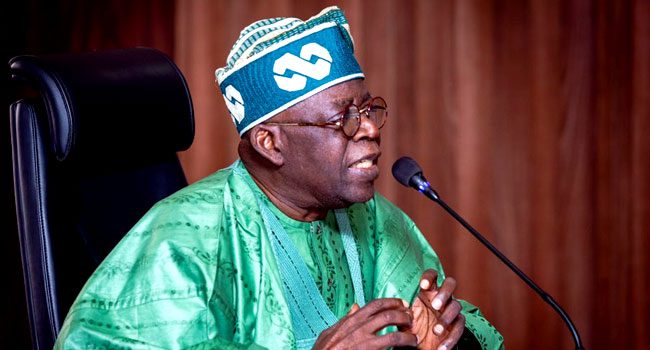
President Bola Tinubu emphasized that while the levy aims to boost revenue and promote indigenization, it should not deter potential investors. Speaking at the launch of the Expatriate Employment Levy (EEL) handbook, Tinubu stressed the goal of narrowing wage disparities between expatriates and Nigerian workers while expanding job opportunities for qualified locals in foreign firms operating in the country.



According to local media reports citing data from the interior ministry, Nigeria hosts over 150,000 expatriates primarily engaged in sectors such as oil and gas, construction, telecommunications, and hospitality. The country, a significant oil producer in Africa, heavily relies on oil and gas exports, which account for 90% of foreign exchange earnings, as per the International Monetary Fund.


Previously, companies in Nigeria were required to pay $2,000 annually for a residency permit for each foreign employee. The introduction of the EEL coincides with Nigeria grappling with its worst economic crisis in decades, prompting widespread hardship and discontent among the populace.


Addressing the economic challenges, President Tinubu acknowledged the difficulties faced by Nigerians and reassured efforts to bolster the nation’s finances and stimulate economic growth. The levy applies to employees working for a minimum of 183 days per year and imposes penalties, including fines and jail terms, for non-compliance or inaccurate reporting.


The enforcement of the levy falls under the purview of the Nigerian Immigration Service. Interior Minister Olubunmi Tunji-Oj outlined plans for its implementation, highlighting a public-private partnership involving the government, immigration service, and a private firm.

Economist Abubakar Abdullahi expressed optimism about the levy’s potential benefits, asserting that it will not deter investors but rather encourage inward-looking investment. Abdullahi believes Nigeria stands to gain from the policy, as it will prompt more companies to prioritize local talent across various sectors.

Expatriates
Share. Facebook Twitter Pinterest LinkedIn Tumblr Email
Editor Francis
  • Website

Related Posts

100 Days To Nigeria’s 2027 Election: The Ballot, The Battle And The Burden

October 5, 2026

Nigeria’s Data Needs To Return Home. But Is Our Infrastructure Up To The Task?

October 4, 2026

Nigeria Begins Local Production Of Next-Generation Malaria Nets As Harvestfield Opens New Front In Health Manufacturing

October 2, 2026

Comments are closed.

Here is spotlighting many benefits of journeying with either Lagos State’s Blueline or Redline rails for a hassle-free day, week, month and year. Thank God for the Igbega Eko. Together we rise.
https://youtu.be/V67GV8wgyjw

Latest Posts

  • 100 Days To Nigeria’s 2027 Election: The Ballot, The Battle And The Burden
  • Nigeria’s Data Needs To Return Home. But Is Our Infrastructure Up To The Task?
  • Nigeria Begins Local Production Of Next-Generation Malaria Nets As Harvestfield Opens New Front In Health Manufacturing
  • From Appropriation To Impact: What The 2025 Budget Extension Means For Citizens
  • Fuel Import Licence Ruling Opens New Front In Nigeria’s Battle Over Who Controls Petrol Supply

LATEST POSTS

100 Days To Nigeria’s 2027 Election: The Ballot, The Battle And The Burden

October 5, 2026

Nigeria’s Data Needs To Return Home. But Is Our Infrastructure Up To The Task?

October 4, 2026

Nigeria Begins Local Production Of Next-Generation Malaria Nets As Harvestfield Opens New Front In Health Manufacturing

October 2, 2026

From Appropriation To Impact: What The 2025 Budget Extension Means For Citizens

October 1, 2026

Fuel Import Licence Ruling Opens New Front In Nigeria’s Battle Over Who Controls Petrol Supply

September 30, 2026

Subscribe to Updates

Get the latest news from FISHE about politics, economy, health and business, etc

Facebook X (Twitter) Instagram Pinterest
© 2026 ThemeSphere. Designed by ThemeSphere.

Type above and press Enter to search. Press Esc to cancel.