Close Menu
  • Home
  • Entertainment
  • National
  • International
  • Tech
  • Politics
  • Sports
  • PMNI
  • More
    • Business
    • Culture
    • Education
    • History
    • Health
  • Featured
    • Fishe Travel
    • Fishe Media
    • Fishe TV
Facebook X (Twitter) Instagram
FISHE NEWS
  • Home
  • Entertainment
  • National
  • International
  • Tech
  • Politics
  • Sports
  • PMNI
  • More
    • Business
    • Culture
    • Education
    • History
    • Health
  • Featured
    • Fishe Travel
    • Fishe Media
    • Fishe TV
Facebook X (Twitter) Instagram
FISHE NEWS
Home»Worldwide»Chinese Worker’s Presence In Africa Hits Lowest Level
Worldwide

Chinese Worker’s Presence In Africa Hits Lowest Level

Omolemi EboisetaleBy Omolemi EboisetaleMarch 16, 2024Updated:March 16, 2024No Comments2 Mins Read
Facebook Twitter Pinterest LinkedIn Tumblr Email
Share
Facebook Twitter LinkedIn Pinterest Email

The presence of Chinese workers in Africa has dwindled to its lowest point in more than ten years, according to recent data from China’s National Bureau of Statistics.

From a peak of 263,696 workers in 2015, the number plummeted to 88,371 in 2022, marking a huge decline.

Analysts attribute this decline to various factors, including the impact of the COVID-19 pandemic, which led to Chinese workers leaving Africa temporarily, with the country reopening its doors only in early 2023.

Additionally, economic factors such as oil prices and the scaling back of China’s Belt and Road Initiative have contributed to the decrease in Chinese workers across the continent.



While some speculate about a potential uptick in Chinese worker numbers due to resumed projects, experts remain cautious.

Deborah Brautigam, director at the China Africa Research Initiative, suggests that while some projects may have restarted, overall Chinese-financed projects have been declining, dampening the prospects of significant increases in worker numbers.

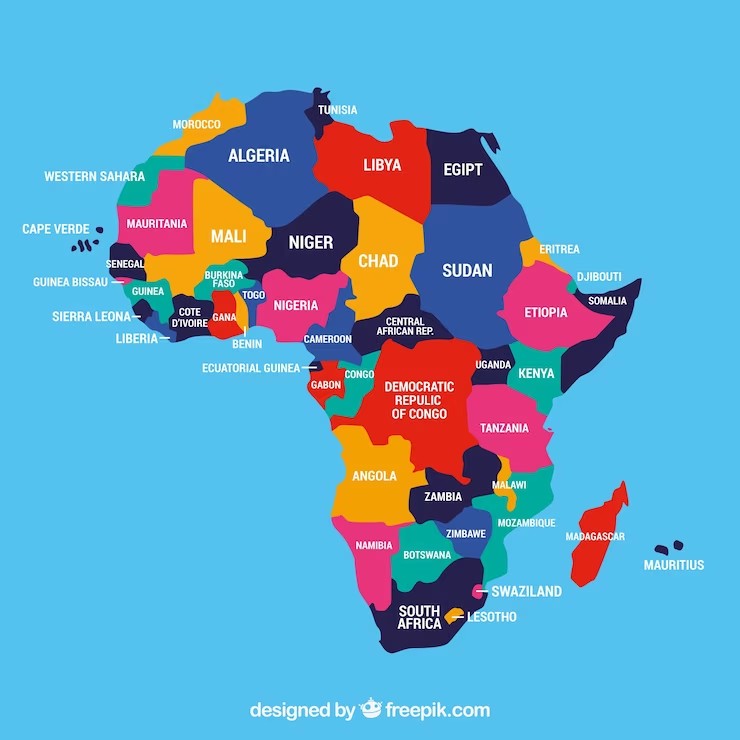
The decline in Chinese worker presence is most evident in countries heavily reliant on oil exports, such as Algeria and Angola.

Both nations experienced substantial drops in the number of Chinese workers, attributed to fluctuations in global oil prices and efforts to diversify their economies away from Chinese dependency.

However, not all African countries have seen declines. The Democratic Republic of the Congo, Egypt, and Zimbabwe stand out as exceptions, with increases or stable numbers of Chinese workers.

These countries boast rich mineral resources, making them attractive for Chinese investment, particularly in green energy and minerals crucial for technologies like electric vehicles.

Criticism has often been directed at China for its failure to create local job opportunities or develop skills among African workers.

While Chinese projects do employ local laborers, the majority are in unskilled roles, with higher-paid, skilled positions often filled by Chinese workers.

Analysts emphasize the need for Chinese companies to prioritize hiring local managers and investing in the development of Chinese language skills among African managers to foster long-term economic empowerment and sustainability.

#Africa Chinese workers
Share. Facebook Twitter Pinterest LinkedIn Tumblr Email
Omolemi Eboisetale
  • Website

Related Posts

Nigeria’s Data Needs To Return Home. But Is Our Infrastructure Up To The Task?

October 4, 2026

Nigeria Begins Local Production Of Next-Generation Malaria Nets As Harvestfield Opens New Front In Health Manufacturing

October 2, 2026

From Appropriation To Impact: What The 2025 Budget Extension Means For Citizens

October 1, 2026

Comments are closed.

Here is spotlighting many benefits of journeying with either Lagos State’s Blueline or Redline rails for a hassle-free day, week, month and year. Thank God for the Igbega Eko. Together we rise.
https://youtu.be/V67GV8wgyjw

Latest Posts

  • Nigeria’s Data Needs To Return Home. But Is Our Infrastructure Up To The Task?
  • Nigeria Begins Local Production Of Next-Generation Malaria Nets As Harvestfield Opens New Front In Health Manufacturing
  • From Appropriation To Impact: What The 2025 Budget Extension Means For Citizens
  • Fuel Import Licence Ruling Opens New Front In Nigeria’s Battle Over Who Controls Petrol Supply
  • Nigeria’s Permanent UN Security Council Bid: A Strong Case for Africa, But A Weak Case For Nigeria Alone

LATEST POSTS

Nigeria’s Data Needs To Return Home. But Is Our Infrastructure Up To The Task?

October 4, 2026

Nigeria Begins Local Production Of Next-Generation Malaria Nets As Harvestfield Opens New Front In Health Manufacturing

October 2, 2026

From Appropriation To Impact: What The 2025 Budget Extension Means For Citizens

October 1, 2026

Fuel Import Licence Ruling Opens New Front In Nigeria’s Battle Over Who Controls Petrol Supply

September 30, 2026

Nigeria’s Permanent UN Security Council Bid: A Strong Case for Africa, But A Weak Case For Nigeria Alone

September 28, 2026

Subscribe to Updates

Get the latest news from FISHE about politics, economy, health and business, etc

Facebook X (Twitter) Instagram Pinterest
© 2026 ThemeSphere. Designed by ThemeSphere.

Type above and press Enter to search. Press Esc to cancel.