
The Nigerian woman has been an embodiment of pure divine grace and beauty, class and style since time immemorial.
Way before the advent of the colonial merchants, its doctrines and polluting systems, she has been a role model of beauty and grace. She carries herself with style, class, and grace; her beautiful black body shiny like the camwood and elegance like that of a peacock.
The beauty of the Nigerian woman is amplified by cultural values and body modification in her immediate environment, which includes hairstyles, tribal marks, body adornments and processes to enhance beauty. Each of these processes is built around the traditional and cultural values of various ethnic groups and tribes.
Some are influenced by cultural and spiritual motives that separate initiates from the ordinary people in society. This goes to show the importance, culture and tradition have to play in these beauty processes and how glamorous women were in the early century.

Before the pulverisation of today’s traditional and cultural values around dressings and beauty adornment, Yorùbás were praised for their glamour.
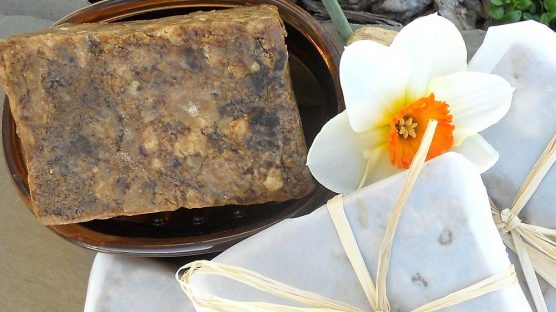
Women were known to use “Ose Dudu”, a traditional homemade black soap made from palm kernel after the palm oil has been extracted (sometimes from cocoa pods), the pods are dried and roasted and later converted through a process to make the soap. “Ose Dudu” is rich in natural ingredients that give the body a refreshing, smooth feeling and also possess healing attributes.
Tribal marks and other forms of sacrificial markings on the body are a form of beauty adornments that have been used for thousands of years. As a means of identification for cultural and traditional purposes, they also represent a self-conscious representation of one’s heritage and a means of communicating oral history in a non-static way.
Hairdos and dresses are two conjoining components of beauty that signify class, heritage and cultural values for women. Traditional cults and societies have certain hairdos and outfits that set them apart from other people; this also goes for women who are royalty, or women who belong to a certain age or civil groups.
The narrative from the Northern part of the country is even more sophisticated and elaborate when it comes to beauty adornment and dressings. The influence of the Trans-Saharan trade route further helped in creating a sense of style and class that has been in practice for over 800 years.
Traditional beauty rituals such as the “Halawa”, which is a natural hair removal wax is made from melted sugar, and the “dilke”, a body scrub made with turmeric potatoes, cloves and oil, remind us of rituals that are embedded in traditional Northern heritage and history.
One fascinating aged tradition from the Efik people is the Fat before Marriage, the original Fattening Room. The fattening room, also known as “Nkuho” is an ancient tradition given to young women while they are in seclusion, preparing them for marriage/womanhood.
In the fattening room, the girl goes through the domestic training of home duties, like cooking, housekeeping, child caring, how to respect and make her husband happy. She is put in a room where she is massaged three times daily, fed about six large portions of food (like porridge, Ekpang, plantain, yam fufu and assorted pepper soups). This process ensures the bride gets a beautiful “healthy” waistline. Entrepreneurial skills are also offered to the young lady to make her financially sustaining to her family and help the husband.
At the end of the seclusion period, people and the family of the lady are invited to witness the passing out ceremony of the lady. This ceremony is celebrated with a traditional dance called the “Ekombi.”
It is all these summations of tangible and intangible elements spiced up with a sense of heritage, culture, and tradition that makes her a phenomenal woman. The Nigerian woman is sufficient in every way. She is bold, beautiful, and proud in every sense.
