
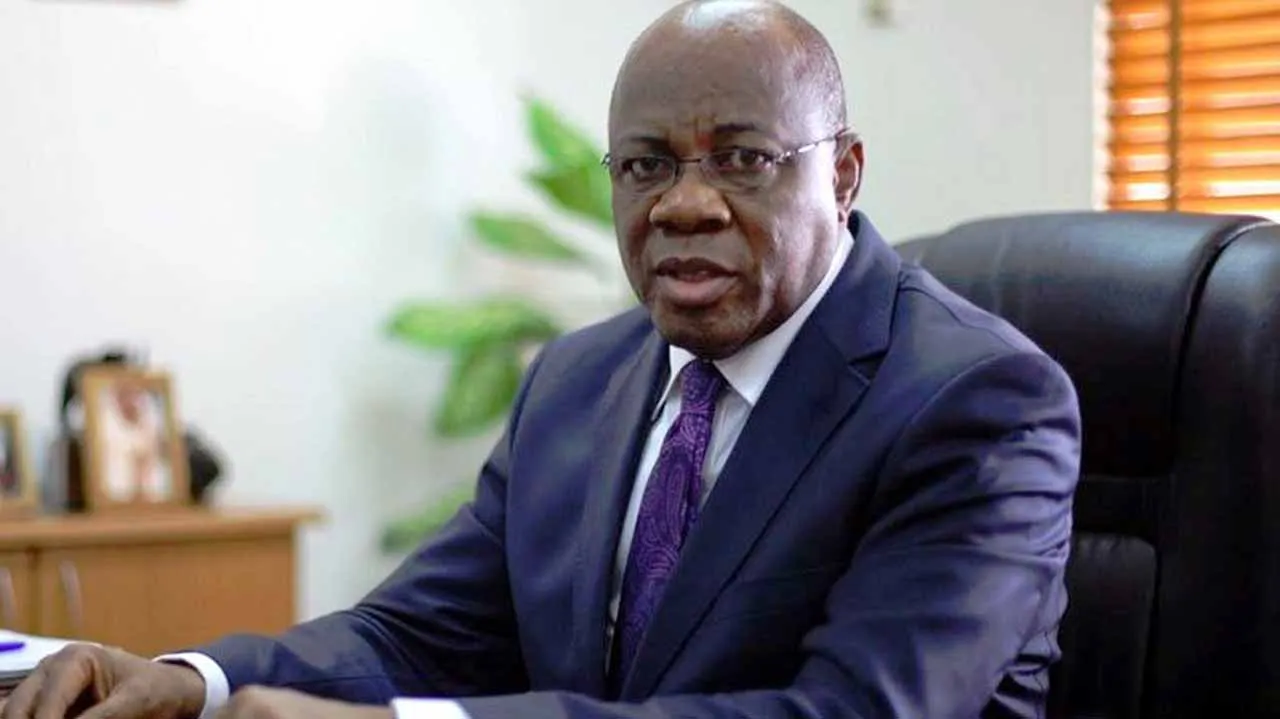
In a recent interview at his Lagos office, Dr. Olisa Agbakoba, SAN, the former President of the Nigerian Bar Association, expressed his views on Nigeria’s current state of insecurity and lack of development.
He placed the blame on the 1999 Constitution, which he argued lacked legitimacy and validity. According to Agbakoba, the flawed constitution has hindered national cohesion and contributed to ongoing crises in various parts of the country.
Agbakoba emphasized the importance of open discussions among Nigerians about how they wish to coexist. He questioned the assumption that different ethnic groups inherently desire national unity and cited examples from Europe, highlighting successful nations that emerged from historical unions.
Drawing parallels between a troubled marriage and national development, Agbakoba stressed the need for peace and security as fundamental prerequisites for progress.

He criticized the military-centric approach to resolving issues, pointing out the limitations of such strategies in irregular warfare scenarios like those posed by groups such as IPOB and Boko Haram.
Discussing the constitutional challenges, Agbakoba argued that the problem lies not just in the content but in the lack of acceptance and legitimacy of the 1999 Constitution, which he claimed was imposed on the people.
He advocated for inclusive discussions involving traditional leaders, ethnic groups, and organizations like Ohanaeze, PANDEF, and Afenifere to shape a new constitution that would enjoy widespread ownership and support.
When asked about the type of new constitution he envisions, Agbakoba highlighted the need for devolution and a more balanced federation, allowing states to play a more significant role as economic drivers. He underscored the importance of the constitutional replacement being accepted as a document owned by the people.
Addressing the National Assembly, Agbakoba recommended a closer look at Prof. Ben Nwabueze’s theory, suggesting that the NASS could utilize its powers to establish a new constitution through consultation with the people.
He criticized the lengthy and costly process of amending the current constitution and emphasized the importance of a strong political foundation for development.
In discussing the judiciary’s role in development, Agbakoba expressed concern about the judiciary’s perceived decline during the 2023 elections. He called for a reevaluation of the Supreme Court’s composition, advocating for the inclusion of individuals from the Bar and academia to strengthen the judicature.
Finally, Agbakoba touched on President Tinubu’s economic policies, acknowledging the painful but necessary decision to remove fuel subsidies. However, he urged the government to channel the resulting funds into institutional palliative measures rather than personal ones, emphasizing transparency and broader coverage.
Agbakoba concluded by stating that the success of President Tinubu’s economic agenda would depend on addressing the critical components he highlighted for Nigeria to reach cruising height in its development.
