Close Menu
  • Home
  • Entertainment
  • National
  • International
  • Tech
  • Politics
  • Sports
  • PMNI
  • More
    • Business
    • Culture
    • Education
    • History
    • Health
  • Featured
    • Fishe Travel
    • Fishe Media
    • Fishe TV
Facebook X (Twitter) Instagram
FISHE NEWS
  • Home
  • Entertainment
  • National
  • International
  • Tech
  • Politics
  • Sports
  • PMNI
  • More
    • Business
    • Culture
    • Education
    • History
    • Health
  • Featured
    • Fishe Travel
    • Fishe Media
    • Fishe TV
Facebook X (Twitter) Instagram
FISHE NEWS
Home»History»Acropolis Of Athens: A Timeless Beacon Of History And Culture
History

Acropolis Of Athens: A Timeless Beacon Of History And Culture

Adejuyigbe FrancisBy Adejuyigbe FrancisMay 7, 2025No Comments3 Mins Read
Facebook Twitter Pinterest LinkedIn Tumblr Email
Share
Facebook Twitter LinkedIn Pinterest Email

Acropolis Of Athens: A Timeless Beacon Of History And Culture

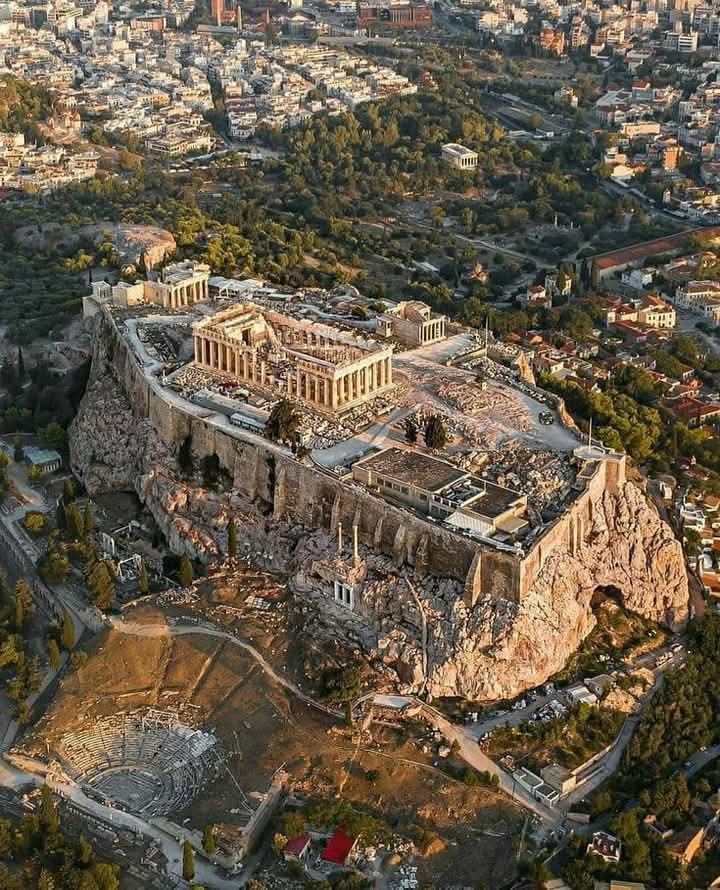
Perched majestically atop a boat-shaped rock, the Parthenon crowns the Acropolis of Athens, a UNESCO World Heritage Site that continues to captivate visitors with its rich history and architectural grandeur. Rising 157 metres above sea level and 70 metres above the city, this rocky hill, measuring 300 metres long and 150 metres wide, has stood as a symbol of ancient Greek civilisation for millennia.

The term “Acropolis” derives from the Greek words akron (highest point) and polis (city), a fitting name for this elevated stronghold, accessible only via a fortified western entrance. In antiquity, the Acropolis was known as Kekropia, named after Kekrops, the mythical serpent-man and first king of Athens.



Archaeological findings reveal human activity on the Acropolis dating back to the Early Neolithic period (6th millennium BC), with the earliest artefacts from the Middle Neolithic era. During the late Bronze Age, a Mycenaean megaron palace graced the hill, though only a single limestone column base and fragments of sandstone steps remain. A formidable Cyclopean wall, stretching 760 metres and up to 10 metres high, was constructed to protect the site, serving as its primary defence for over a thousand years.


The Acropolis became a sacred site with the erection of a temple to Athena Polias, goddess of the city, between 570 and 550 BC. The iconic Parthenon, as it stands today, was built between 460 and 430 BC, replacing an earlier structure destroyed during the Persian invasion of 480 BC. The nearby Erechtheion, another architectural marvel, suffered significant damage in the 3rd or 4th century AD, alongside the Parthenon.


Throughout its storied history, the Acropolis has undergone numerous transformations. In the Hellenistic and Roman periods, repairs addressed wear from time and conflict. During the Byzantine era, the Parthenon was converted into a church dedicated to the Virgin Mary. Following the Ottoman conquest, it served as a Turkish army garrison headquarters, while the Erechtheion was repurposed as the governor’s private harem. A mosque, complete with a minaret, was later established within the Parthenon.


The Acropolis endured severe damage in 1687 when Venetian artillery struck the Parthenon, then used as a gunpowder magazine, during a siege. After Greece gained independence, efforts were made to restore the site to its classical form, clearing Byzantine, Frankish, and Ottoman additions.


Today, the Acropolis stands as a testament to human ingenuity and resilience, drawing millions to marvel at its enduring beauty. As Athens continues to preserve this cultural treasure, the Parthenon and its surroundings remain a poignant reminder of Greece’s unparalleled contributions to art, architecture, and history.

Share. Facebook Twitter Pinterest LinkedIn Tumblr Email
Adejuyigbe Francis
  • Website

Thought Leader, Idea Bank, Nation Builder.

Related Posts

Nigeria’s Data Needs To Return Home. But Is Our Infrastructure Up To The Task?

October 4, 2026

Nigeria Begins Local Production Of Next-Generation Malaria Nets As Harvestfield Opens New Front In Health Manufacturing

October 2, 2026

From Appropriation To Impact: What The 2025 Budget Extension Means For Citizens

October 1, 2026

Comments are closed.

Here is spotlighting many benefits of journeying with either Lagos State’s Blueline or Redline rails for a hassle-free day, week, month and year. Thank God for the Igbega Eko. Together we rise.
https://youtu.be/V67GV8wgyjw

Latest Posts

  • Nigeria’s Data Needs To Return Home. But Is Our Infrastructure Up To The Task?
  • Nigeria Begins Local Production Of Next-Generation Malaria Nets As Harvestfield Opens New Front In Health Manufacturing
  • From Appropriation To Impact: What The 2025 Budget Extension Means For Citizens
  • Fuel Import Licence Ruling Opens New Front In Nigeria’s Battle Over Who Controls Petrol Supply
  • Nigeria’s Permanent UN Security Council Bid: A Strong Case for Africa, But A Weak Case For Nigeria Alone

LATEST POSTS

Nigeria’s Data Needs To Return Home. But Is Our Infrastructure Up To The Task?

October 4, 2026

Nigeria Begins Local Production Of Next-Generation Malaria Nets As Harvestfield Opens New Front In Health Manufacturing

October 2, 2026

From Appropriation To Impact: What The 2025 Budget Extension Means For Citizens

October 1, 2026

Fuel Import Licence Ruling Opens New Front In Nigeria’s Battle Over Who Controls Petrol Supply

September 30, 2026

Nigeria’s Permanent UN Security Council Bid: A Strong Case for Africa, But A Weak Case For Nigeria Alone

September 28, 2026

Subscribe to Updates

Get the latest news from FISHE about politics, economy, health and business, etc

Facebook X (Twitter) Instagram Pinterest
© 2026 ThemeSphere. Designed by ThemeSphere.

Type above and press Enter to search. Press Esc to cancel.