
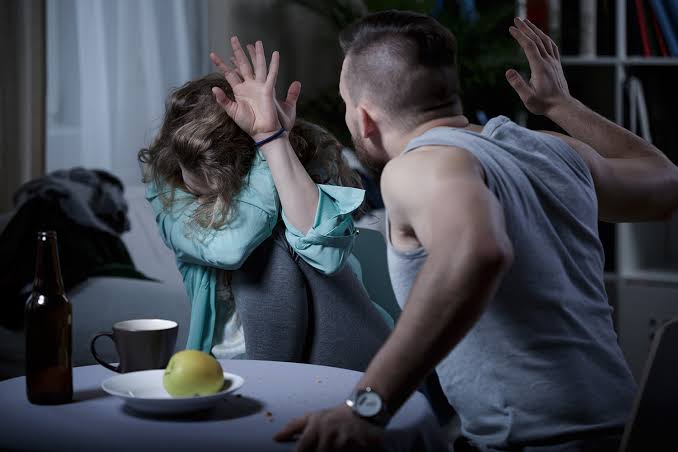
Domestic violence is a public health issue in all its forms: physical abuse, verbal abuse, sexual harassment, denial of communication and basic needs.
Here are some of the important questions towards victims and survivors answered by a study.
In 2021, the United Nations released a report showing that at least one in three women between 15-49 years in sub-Sahara Africa had experienced violence at the hands of an intimate partner.
This study answers some of the difficult questions and offers some solutions to victims, survivors and those who wish to understand how better to help.

1. Why do they remain in abusive relationships?
This is the most common question. “Why do they stay when they could leave?”
During the study, researchers sought to find patterns of behaviour and links between the moment a person is victimised and staying victimised.
It was discovered that Traumatic bonding and empathy played a role in creating a perpetual cycle of being victimised.
In traumatic bonding, the victim has a strong emotional attachment with the abuser developed through repetition of abuse and ‘breaks’ from abuse.
2. Why do they defend the abuser?
Researchers also found that traumatic bonding was more ingrained in women who had so much empathy. Empathy refers to one’s ability to put themselves in another person’s position and understand what one might be feeling.
This ability makes the victims susceptible to manipulation and to explain away the violent behaviour and actions of their partners. Intervening before it’s too late by friends or family could prevent this trap.
Victims were also found to exhibit love dependence: believing that their survival depends on the partner’s love, and psychological damage: low self-esteem, loss of sense of self and mood disorders.
3. Are they to blame for what happens to them?
According to the study, empathetic women chose to stay in abusive relationships.
It was found that they exhibited major Stockholm Syndrome which includes blaming oneself for the situation, minimising the impact of the abuser’s behaviour and explaining it away.
Unfortunately, the damage goes deeper, because researchers found that women who had developed traumatic bonding experienced increased levels of empathy.
As evidence for the presence of traumatic bonding, all the women in our study were still in abusive relationships.
“Empathy served as a pathway through which intimate partner violence translated into the decision to stay victimised.”
4. Can they have healthy relationships again?
Empathy is a positive personality trait. However, it has been suggested that it makes people vulnerable to bad experiences.
In the case of abusive partners, researchers found that the abuser takes advantage of empathic traits and the concern of the victim to further violate them. More empathy means more likelihood of staying a victim.
However, empathy is not the problem. In fact, it is valuable and victims can thrive in happy relationships with healthy partners.
5. How can I help?
Collaborative efforts of communities, individuals and public systems are essential in breaking victims from traumatic bonding.
This bond is the only reason victims stay with abusers and not because they want to. They need assistance to psychologically break away.
Researchers recommended whistle-blowing to expose domestic violence because victims are likely to be unable to help themselves.
Equipped personnel and authorities to handle the cases within the law.
