Close Menu
  • Home
  • Entertainment
  • National
  • International
  • Tech
  • Politics
  • Sports
  • PMNI
  • More
    • Business
    • Culture
    • Education
    • History
    • Health
  • Featured
    • Fishe Travel
    • Fishe Media
    • Fishe TV
Facebook X (Twitter) Instagram
FISHE NEWS
  • Home
  • Entertainment
  • National
  • International
  • Tech
  • Politics
  • Sports
  • PMNI
  • More
    • Business
    • Culture
    • Education
    • History
    • Health
  • Featured
    • Fishe Travel
    • Fishe Media
    • Fishe TV
Facebook X (Twitter) Instagram
FISHE NEWS
Home»Business»Informal Sector Remains The Heartbeat Of Nigeria’s Economy – VP Shettima
Business

Informal Sector Remains The Heartbeat Of Nigeria’s Economy – VP Shettima

Omolemi EboisetaleBy Omolemi EboisetaleOctober 17, 2025No Comments2 Mins Read
Facebook Twitter Pinterest LinkedIn Tumblr Email
Share
Facebook Twitter LinkedIn Pinterest Email

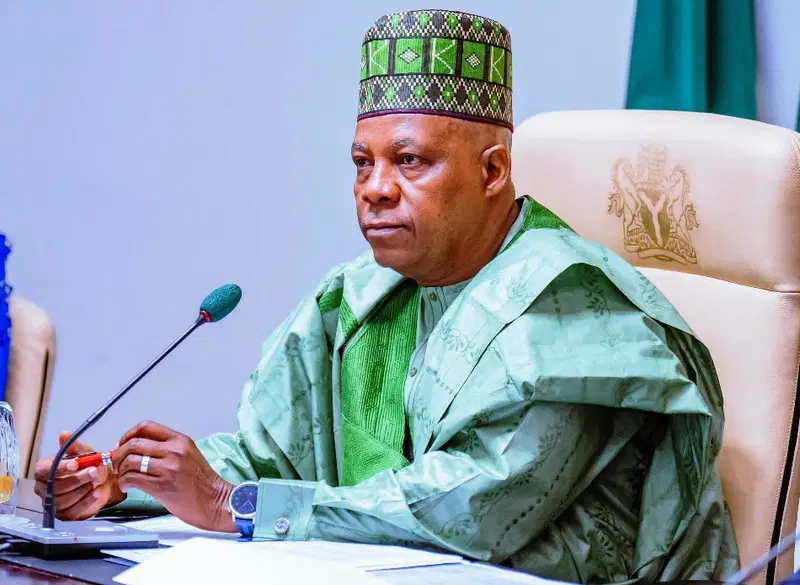
Vice President Kashim Shettima has reaffirmed that Nigeria’s informal sector remains the heartbeat of the nation’s economy, stressing that no meaningful economic growth can be achieved without strengthening this vital segment.

He made the statement while addressing participants at the 4th African Union MSME Forum held in Abuja, where he highlighted the importance of integrating informal businesses into the country’s formal trade system.

According to Shettima, the informal sector accounts for about 84 percent of Nigeria’s total workforce and contributes nearly 48 percent to the nation’s Gross Domestic Product (GDP). He noted that the sector’s resilience continues to sustain millions of households and small businesses despite economic challenges. “Our informal economy is not a weakness; it is a source of strength that showcases the creativity and perseverance of the Nigerian people,” he said.

The Vice President stressed that President Bola Tinubu’s administration remains committed to creating an enabling environment for small and medium enterprises to thrive. He stated that efforts are ongoing to provide easier access to credit facilities, reduce multiple taxation, and improve infrastructure to support local businesses. “We must ensure our informal workers and traders are integrated into the broader economic framework, where they can access opportunities and protection,” he added.



Shettima further urged policymakers across Africa to prioritise the informal sector as a driver of sustainable development and regional trade. He said Nigeria’s collaboration with the African Continental Free Trade Area (AfCFTA) would open new opportunities for micro and small-scale entrepreneurs, promoting cross-border commerce and reducing poverty across the continent.

He also commended Nigerian entrepreneurs for their contribution to national growth, noting that their hard work and innovation continue to shape the economy. “Our traders, artisans, and small business owners are the real heroes of economic stability. Their productivity fuels the nation’s progress,” Shettima remarked.

The Vice President concluded by assuring that the Federal Government would continue to support policies that protect small businesses and boost job creation. He called on development partners and financial institutions to join in empowering the informal sector for inclusive economic growth.

Economic Growth Informal Sector Kashim Shettima MSMEs Nigerian Economy
Share. Facebook Twitter Pinterest LinkedIn Tumblr Email
Omolemi Eboisetale
  • Website

Related Posts

Nigeria’s Data Needs To Return Home. But Is Our Infrastructure Up To The Task?

October 4, 2026

Nigeria Begins Local Production Of Next-Generation Malaria Nets As Harvestfield Opens New Front In Health Manufacturing

October 2, 2026

From Appropriation To Impact: What The 2025 Budget Extension Means For Citizens

October 1, 2026

Comments are closed.

Here is spotlighting many benefits of journeying with either Lagos State’s Blueline or Redline rails for a hassle-free day, week, month and year. Thank God for the Igbega Eko. Together we rise.
https://youtu.be/V67GV8wgyjw

Latest Posts

  • 100 Days To Nigeria’s 2027 Election: The Ballot, The Battle And The Burden
  • Nigeria’s Data Needs To Return Home. But Is Our Infrastructure Up To The Task?
  • Nigeria Begins Local Production Of Next-Generation Malaria Nets As Harvestfield Opens New Front In Health Manufacturing
  • From Appropriation To Impact: What The 2025 Budget Extension Means For Citizens
  • Fuel Import Licence Ruling Opens New Front In Nigeria’s Battle Over Who Controls Petrol Supply

LATEST POSTS

100 Days To Nigeria’s 2027 Election: The Ballot, The Battle And The Burden

October 5, 2026

Nigeria’s Data Needs To Return Home. But Is Our Infrastructure Up To The Task?

October 4, 2026

Nigeria Begins Local Production Of Next-Generation Malaria Nets As Harvestfield Opens New Front In Health Manufacturing

October 2, 2026

From Appropriation To Impact: What The 2025 Budget Extension Means For Citizens

October 1, 2026

Fuel Import Licence Ruling Opens New Front In Nigeria’s Battle Over Who Controls Petrol Supply

September 30, 2026

Subscribe to Updates

Get the latest news from FISHE about politics, economy, health and business, etc

Facebook X (Twitter) Instagram Pinterest
© 2026 ThemeSphere. Designed by ThemeSphere.

Type above and press Enter to search. Press Esc to cancel.