
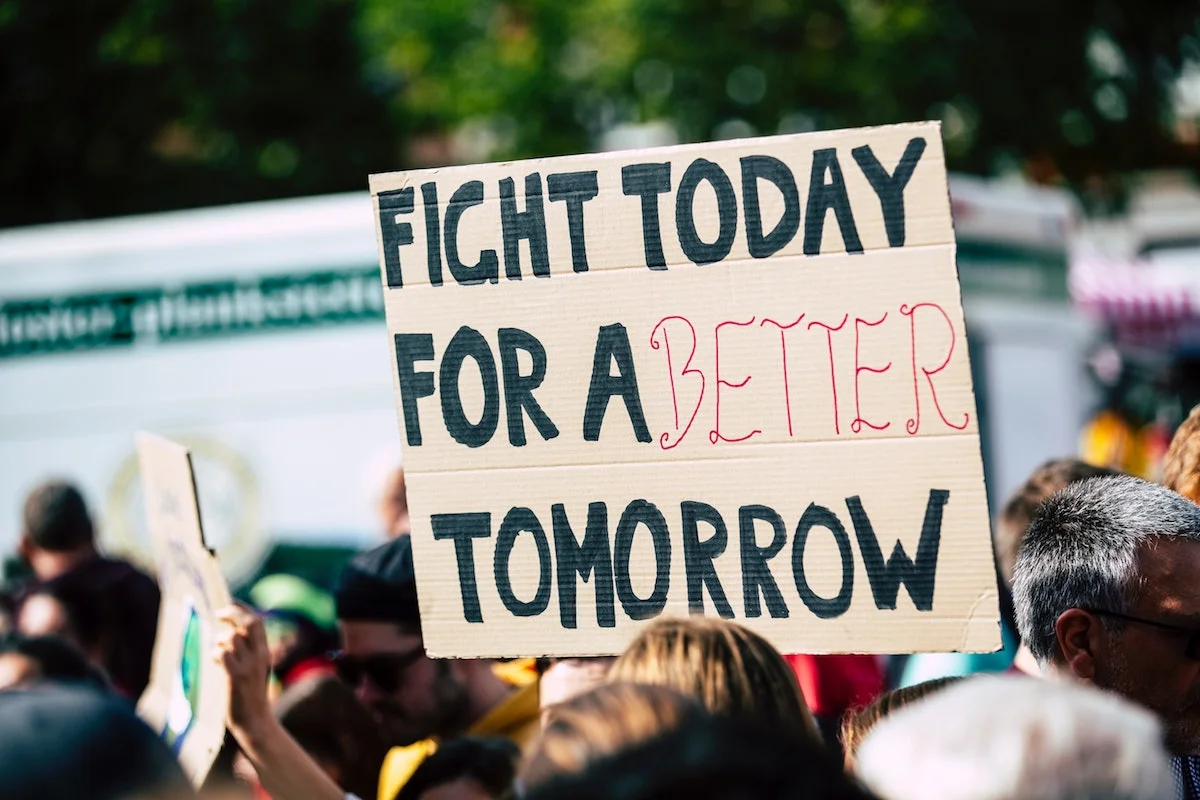
Fear is one of the most potent forces, capable of undermining human resilience and making life seem unbearable. It’s a fact that fear can gaslight individuals into despair.
The Nigerian constitution recognises the right of citizens to express their grievances through protest. Protesting is a long-standing tradition in Nigeria, dating back to the early 1920s when nationalist leaders took to the streets to demand change, and it yielded significant results.
Protests have remained a vital tool for Nigerians, who believe it is the only language the government understands.
In 2012, the Occupy Nigeria movement emerged in response to the removal of the fuel subsidy by President Goodluck Jonathan’s administration. The protests began on January 2, 2012, and quickly spread nationwide, including in cities like Kano, Surulere, Ojota (part of metropolitan Lagos), Abuja, Minna, and even at the Nigerian High Commission in London. This movement was led by prominent figures and demonstrated the power of collective action.

More recently, the #EndSARS protests highlighted the potential and risks of such movements. Initially driven by demands to end police brutality, the protests were later hijacked, leading to widespread property destruction, especially in Lagos. The chaotic aftermath instilled fear, making it difficult to dissociate protests from potential violence.
Currently, Nigeria faces an impending protest against hunger and bad governance. Organisers have announced the protest’s duration, and in response, the president has summoned key stakeholders to speak against it. Traditional rulers have called for dialogue to address the issues, acknowledging the severe economic hardships and rising living costs, with inflation exceeding 30%.
However, the government’s response has been more rhetoric than action, leaving many wondering what genuine dialogue would entail. Sponsored anti-protest groups have emerged, discouraging dissent. A video on social media platform X shows an anti-protester being reprimanded for admitting the country’s dire situation. This stressed the widespread hardship and desperation among Nigerians.
Fear of government retribution has led many to stay home instead of joining the protest. Reports indicate that motor parks in areas like Agege, Ojota, Ikeja, and Ketu are overcrowded with people trying to leave the city out of fear. Markets like Ile Epo are packed with anxious citizens, worried about potential unrest.
Interviews with residents reveal a pervasive sense of fear. A man in Agege expressed his fears after hearing a government warning on the radio. Streets in Ikeja, Abule Egba, Agege, Ojota, Berger, and Ogba are eerily calm, with businesses closed and people staying home to avoid potential danger.
Those who remain at home are also protesting in their own way, driven by fear rather than a lack of conviction. Protests can be peaceful if security agencies facilitate them rather than suppress them. The right to protest is fundamental, but fear often prevents its full exercise. Journalists, too, have faced restrictions, particularly at the Lekki Toll Gate on the protest’s first day, highlighting the government’s failure to communicate its intentions effectively and its role in fostering an atmosphere of fear.
This piece recognises the undeniable truth of widespread hunger in Nigeria. Beyond protests, the government must take concrete steps to improve living conditions.
A minimum wage of seventy thousand naira is insufficient amid 30% inflation, and fuel prices nearing a thousand naira per litre exacerbate the hardship. The government must act decisively to ensure that life in Nigeria is worth living, addressing the root causes of discontent and making meaningful changes to support its citizens.
