
Nigerian culture is multi-ethnic and gives a lot of value to different types of arts.
Which primarily include ivory carving, grass weaving, wood carving, leather and calabash, pottery, painting, glass and metal works, and cloth weaving (textile). Among all these forms of art, Adire, which is common among the people of Egbaland in Ogun State, is probably the most reflective of its cultural origin. Abeokuta is said to be the capital of the Egba nation, and the Adire industry in Nigeria. Although the missionaries introduced the people to cotton in the 1850’s, cotton weaving, pottery and Adire are all traditional crafts of the Abeokuta people.
What is Adire?
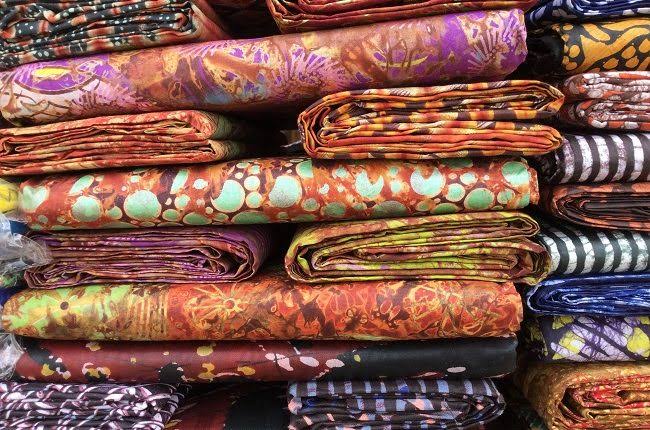
Adire textile is a resist-dyed cloth produced and worn primarily by the Yoruba people of southwestern Nigeria. The Yoruba label adire (meaning “tie and dye”) was first applied to indigo-dyed cloth decorated with resist patterns in the early twentieth century. By the second half of the twentieth century, broader colour palette of imported synthetic dyes was introduced. Adire then included a variety of hand-dyed textiles using wax-resist batik methods to produce patterned cloth in a dazzling array of dye tints and hues.
Adire textile production is assumed to be inborn; inherited by birth and the heritage passed on to descendants of families who were also involved in the production process. In Egba land, the craft was formerly known to be a family business. Parents passed the techniques down to their female children and the wives of their sons. For a long time, people who were not from a certain family were not allowed to partake in adire production as it was a part of the family’s heritage.

The Adire was first produced in Jojola’s compound of Kemta, Abeokuta by Chief Mrs. Miniya Jojolola Soetan, the second Iyalode (Head of Women) of Egba land. She then passed on the process to her children and onward to the future generations. The first Adire material was made with Teru (local white attire) and Elu (local Dye) made from elu leaf which is planted in the Saki area of Oyo state.
The 1930s brought with it innovations that allowed men to partake in adire making, which was primarily a female craft. Women remained specialists in the dyeing, tying, hand-painting, and hand-sewing done prior to dyeing, but the men became involved in decorating techniques using stitching machine and applying starch through zinc stencils.
By the 1960s a growing availability of chemical dyes from Europe caused a revolution in colour and techniques. This, of course, attracted the Nigerian fashion designers who now adapt the designs to print high-quality cloth and have transformed the art of adire into an entrepreneurial craft. This craft can now be taught in institutions.
Today, new multi-coloured adire uses simple technology and hot wax or paraffin are used as resist agents in place of the indigenous cassava paste. Designs are created by simple techniques including tie-dye, folding, crumpling, and randomly sprinkling or splashing the hot wax onto a cloth before dyeing. To meet the high demand for adire, stencilling has largely been replaced by a block printing technique to apply the hot wax.
Whether created by old processes or new innovations, adire today continues to face fashion challenges, and is still an alternative to machine prints. The textile appeals very much to the fashion conscious in Yorubaland, Nigeria, and on a global level.
