Close Menu
  • Home
  • Entertainment
  • National
  • International
  • Tech
  • Politics
  • Sports
  • PMNI
  • More
    • Business
    • Culture
    • Education
    • History
    • Health
  • Featured
    • Fishe Travel
    • Fishe Media
    • Fishe TV
Facebook X (Twitter) Instagram
FISHE NEWS
  • Home
  • Entertainment
  • National
  • International
  • Tech
  • Politics
  • Sports
  • PMNI
  • More
    • Business
    • Culture
    • Education
    • History
    • Health
  • Featured
    • Fishe Travel
    • Fishe Media
    • Fishe TV
Facebook X (Twitter) Instagram
FISHE NEWS
Home»Sports»FIFA Bans Three Nations, Including One African Country, From 2026 World Cup
Sports

FIFA Bans Three Nations, Including One African Country, From 2026 World Cup

Adejuyigbe FrancisBy Adejuyigbe FrancisAugust 16, 2025No Comments2 Mins Read
Facebook Twitter Pinterest LinkedIn Tumblr Email
Share
Facebook Twitter LinkedIn Pinterest Email

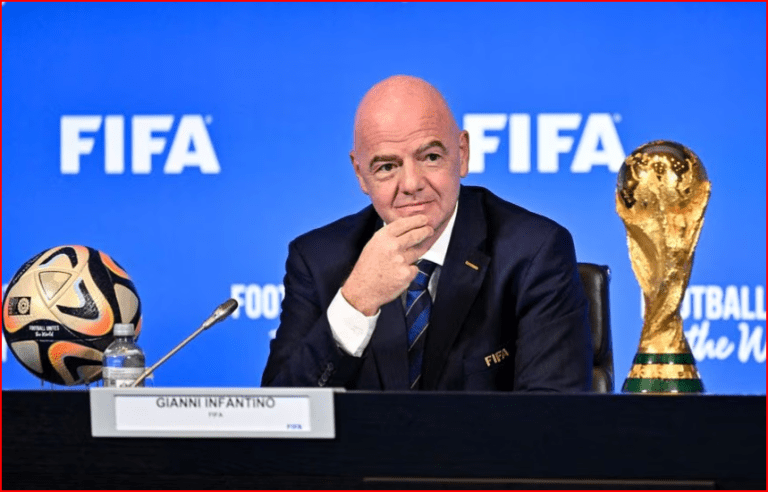
FIFA Bans Three Nations, Including One African Country, From 2026 World Cup.

Three countries, including one from Africa, have been barred from participating in the 2026 FIFA World Cup due to political sanctions. The nations—Russia, South Africa, and Yugoslavia—faced exclusions stemming from United Nations sanctions, marking significant moments in the tournament’s history.


Russia’s suspension, ongoing since May 2022, was triggered by its invasion of Ukraine. FIFA and UEFA imposed the ban after several European nations, including England, Poland, and Sweden, refused to compete against Russian teams. The decision, upheld by the Court of Arbitration for Sport, extends to all international competitions, limiting Russia to unofficial friendlies against countries like Belarus, Nigeria, Zambia, and Grenada. Discussions to reintegrate Russia into global football are reportedly underway, but their participation in the 2026 World Cup remains uncertain.



South Africa faced a ban from 1961 to 1992 due to its apartheid policies. Initially suspended by FIFA in 1961, the country was briefly reinstated in 1963 before facing expulsion in 1967 under FIFA President João Havelange. The ban, which prevented South Africa from competing in five World Cups, was lifted in 1992 following the end of apartheid. This paved the way for their triumphant return, culminating in their 1996 Africa Cup of Nations victory and hosting the 2010 World Cup.


Yugoslavia’s exclusion came in 1992 amid UN sanctions during the Balkan conflict. Despite qualifying for Euro 92, the nation was banned just ten days before the tournament, with Denmark replacing them and going on to win the title. The ban also prevented Yugoslavia from participating in the 1994 World Cup qualifiers. When sanctions were lifted, the team competed as Serbia and Montenegro before splitting into separate nations.


These politically motivated bans highlight FIFA’s alignment with global sanctions, though they have sparked debate about the fairness of penalising athletes for governmental actions. As the 2026 World Cup approaches, hosted by the United States, Canada, and Mexico, these historical exclusions serve as a reminder of the complex interplay between sport and politics.

#Ban FIFA FIFA World Cup 2026
Share. Facebook Twitter Pinterest LinkedIn Tumblr Email
Adejuyigbe Francis
  • Website

Thought Leader, Idea Bank, Nation Builder.

Related Posts

NBF–NBBofC Crisis: Edun Steps In As Emergency Talks Hold In Abuja

April 20, 2026

“FCCPC Clarifies: No Ban On Airtime Borrowing Or Data Advance Services”

April 18, 2026

England Lose, Nigeria Gain: Okonkwo Makes International Switch

April 11, 2026

Comments are closed.

Here is spotlighting many benefits of journeying with either Lagos State’s Blueline or Redline rails for a hassle-free day, week, month and year. Thank God for the Igbega Eko. Together we rise.
https://youtu.be/V67GV8wgyjw

Latest Posts

  • BREAKING IN THE NEWS: Several Feared Dead As Helicopter Crashes In Igbokoda, Ondo State
  • 100 Days To Nigeria’s 2027 Election: The Ballot, The Battle And The Burden
  • Nigeria’s Data Needs To Return Home. But Is Our Infrastructure Up To The Task?
  • Nigeria Begins Local Production Of Next-Generation Malaria Nets As Harvestfield Opens New Front In Health Manufacturing
  • From Appropriation To Impact: What The 2025 Budget Extension Means For Citizens

LATEST POSTS

BREAKING IN THE NEWS: Several Feared Dead As Helicopter Crashes In Igbokoda, Ondo State

October 5, 2026

100 Days To Nigeria’s 2027 Election: The Ballot, The Battle And The Burden

October 5, 2026

Nigeria’s Data Needs To Return Home. But Is Our Infrastructure Up To The Task?

October 4, 2026

Nigeria Begins Local Production Of Next-Generation Malaria Nets As Harvestfield Opens New Front In Health Manufacturing

October 2, 2026

From Appropriation To Impact: What The 2025 Budget Extension Means For Citizens

October 1, 2026

Subscribe to Updates

Get the latest news from FISHE about politics, economy, health and business, etc

Facebook X (Twitter) Instagram Pinterest
© 2026 ThemeSphere. Designed by ThemeSphere.

Type above and press Enter to search. Press Esc to cancel.