
Nigeria Halts New Federal Tertiary Institutions For Seven Years To Boost Quality.
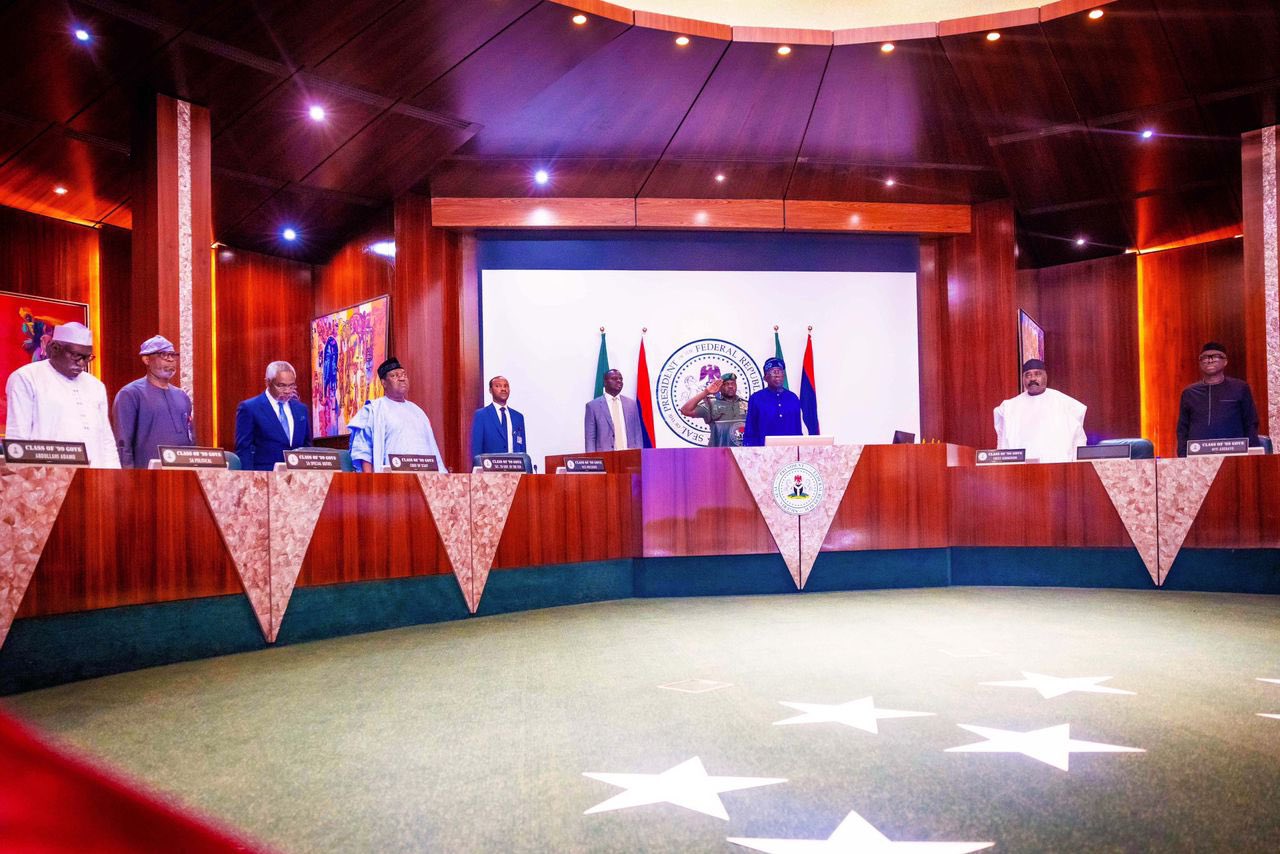
Abuja, Nigeria – The Federal Executive Council (FEC), chaired by President Bola Tinubu, has approved a seven-year moratorium on the establishment of new federal universities, polytechnics, and colleges of education across Nigeria, a move aimed at addressing declining quality and infrastructure in the nation’s tertiary education sector. The decision, announced by the Minister of Education, Dr Tunji Alausa, on Wednesday, seeks to redirect resources towards improving existing institutions rather than creating new ones.
Dr Alausa, speaking to journalists after the FEC meeting at the Presidential Villa, Abuja, explained that the proliferation of under-utilised federal tertiary institutions has led to inefficiencies, overstretched resources, and a drop in academic standards. He highlighted that Nigeria currently has 72 federal universities, 42 federal polytechnics, and 28 federal colleges of education, alongside numerous state and private institutions. However, many of these institutions are operating far below capacity, with some universities recording fewer than 2,000 students and others receiving no applications through the Joint Admissions and Matriculation Board (JAMB). “In the 2024/2025 academic session, 199 universities had fewer than 100 applicants, and 34 had none at all,” Alausa revealed. He cited an example of a northern federal university with 1,200 staff serving fewer than 800 students, underscoring the waste of resources.

The minister warned that without urgent action, Nigeria risks producing poorly trained graduates, which could erode the global reputation of its degrees and exacerbate unemployment. “If we want our graduates to remain competitive and respected worldwide, we must focus on quality over quantity,” Alausa said. The seven-year ban will allow the government to rehabilitate infrastructure, recruit and train qualified staff, and increase the capacity of existing institutions to accommodate more students effectively.
Despite the moratorium, the FEC approved the establishment of nine new private universities, addressing long-pending applications that had been delayed due to inefficiencies at the National Universities Commission (NUC). Alausa clarified that these approvals, some dating back over six years, were for private investments that had already met stringent criteria. “We inherited 551 applications for private universities, but we streamlined the process, reducing active applications to 79, of which nine were approved,” he explained. The minister added that similar moratoriums would soon apply to new private polytechnics and colleges of education to ensure quality is prioritised.
The FEC also approved the removal of tertiary institutions from the Integrated Personnel and Payroll Information System (IPPIS), granting universities and others autonomy to manage their staff salaries internally. This decision, long demanded by academic unions, is expected to improve administrative efficiency and staff welfare.
Dr Alausa praised President Tinubu’s commitment to education, describing the moratorium as a “reset button” for Nigeria’s tertiary education system. “This administration is determined to deliver world-class education, and this bold step reflects that vision,” he said. The move has sparked varied reactions, with some Nigerians welcoming the focus on quality, while others question the approval of new private universities amidst the federal ban. As the government shifts its focus to revitalising existing institutions, the seven-year freeze signals a strategic effort to restore Nigeria’s tertiary education to global standards.
