

Pharmacists Raise Alarm Over Fake Drugs Flooding Nigerian Market.
The Association of Community Pharmacists of Nigeria (ACPN) has issued a stark warning about the alarming prevalence of counterfeit and substandard drugs in the country, estimating that over 50% of medicines in circulation are fake. This figure, significantly higher than the official estimate of 13-15%, underscores a growing public health crisis, according to the ACPN.
Speaking ahead of the association’s 44th Annual International Conference, set to take place from 22 to 27 July in Awka, Anambra State, ACPN National Chairman, Pharm. Ezeh Ambrose Igwekamma, described the situation as a national emergency. He warned that Nigeria risks returning to the perilous days of the late 1990s, when fake medicines, distributed largely through unregulated open drug markets, led to widespread therapeutic failures and fatalities. “Our research-based efforts indicate that we are back to the days when over 50% of drugs in circulation are fake or substandard,” Igwekamma stated, highlighting the discrepancy with official figures.

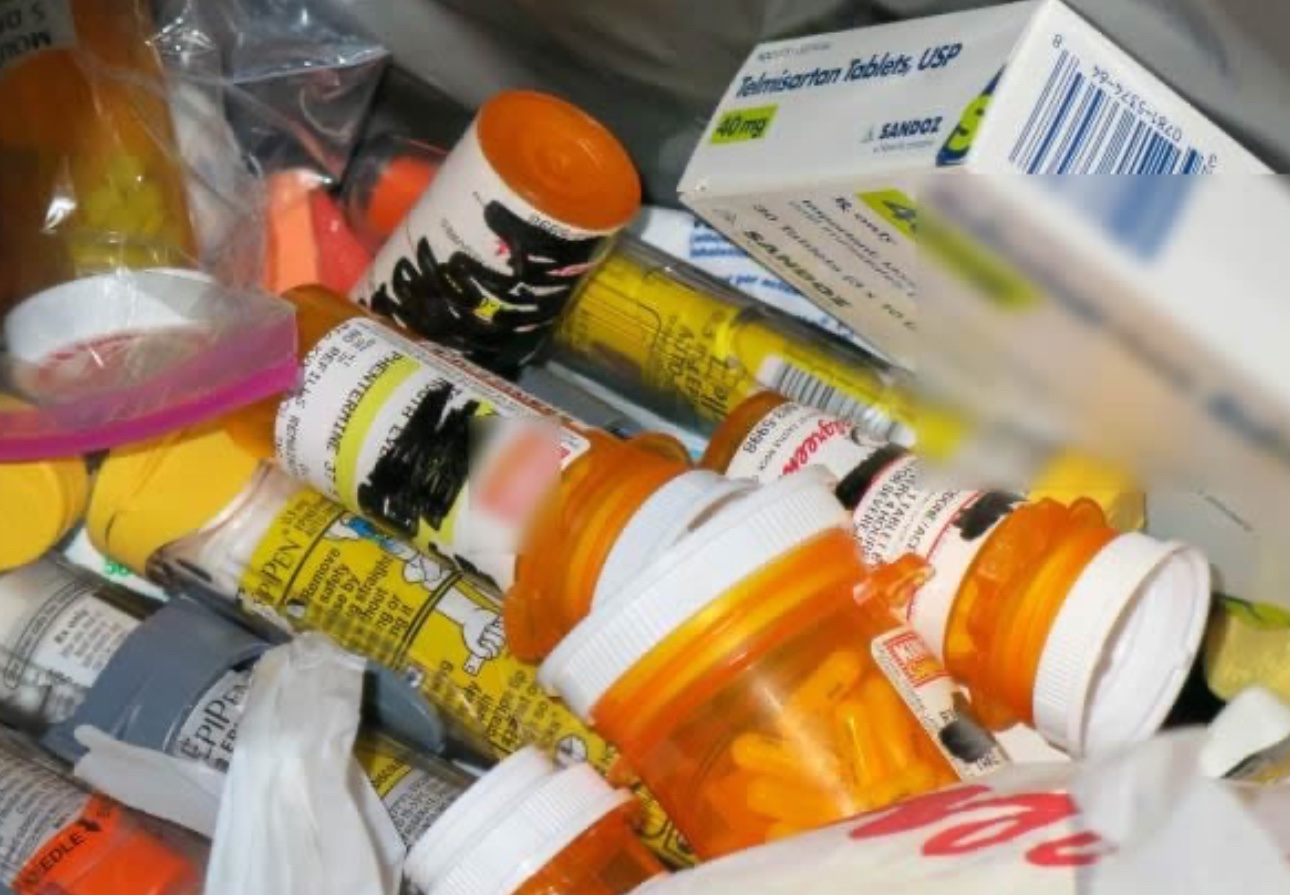
The ACPN attributes the resurgence of counterfeit drugs to the proliferation of nearly five million unregistered drug-selling outlets across Nigeria’s urban and rural areas. These unregulated vendors, combined with open drug markets, are seen as primary channels for the distribution of fake medicines. Historical data cited by the association, including a 1988 study by the Federal Ministry of Health and the World Health Organisation, revealed that 33% of drugs in circulation were counterfeit, with 7% proving fatal. More recent reviews from 1998 showed that nearly half of fake drugs originated from open markets, with significant health consequences, including a 13% fatality rate and 10.8% treatment failure rate.
To combat this crisis, the ACPN has called on the National Assembly to urgently amend the Fake Drug and Unwholesome Processed Food Act to strengthen regulatory enforcement. Igwekamma praised recent efforts by the National Agency for Food and Drug Administration and Control (NAFDAC) and the Pharmacists Council of Nigeria (PCN), including the closure of the Sabon-Gari open drug market in Kano and the establishment of Nigeria’s first Coordinated Wholesale Centre. However, he stressed that more robust measures are needed to tackle what he described as a “tens-of-billion-naira death industry” driven by modern-day merchants of death.
The upcoming ACPN conference, themed “Technology Integration, Personalised Care: The Future of Community Pharmacy Practice,” aims to address these challenges head-on. Over 3,000 delegates, including pharmacists, technologists, policymakers, and healthcare entrepreneurs from Nigeria and beyond, will gather to discuss innovative solutions. Key events will include a public “Walk Against Fake Medicines” to raise awareness, alongside sessions on telepharmacy, artificial intelligence in patient care, and electronic health records. The conference will also feature exhibitions of health tech innovations and policy roundtables to promote stricter regulation and technology-driven pharmaceutical care.
Igwekamma urged stakeholders, including lawmakers and consumers, to support efforts to transform Nigeria’s pharmaceutical landscape. “Our goal is clear: to ensure every Nigerian has access to safe, effective, and personalised medicines from licensed community pharmacies,” he said. The ACPN also called for increased government support for local pharmaceutical manufacturers to boost access to essential medicines and reduce reliance on unregulated markets.
As Nigeria grapples with this escalating crisis, the ACPN’s call to action serves as a reminder of the urgent need for collaborative efforts to safeguard public health and restore trust in the nation’s pharmaceutical system.
