Close Menu
  • Home
  • Entertainment
  • National
  • International
  • Tech
  • Politics
  • Sports
  • PMNI
  • More
    • Business
    • Culture
    • Education
    • History
    • Health
  • Featured
    • Fishe Travel
    • Fishe Media
    • Fishe TV
Facebook X (Twitter) Instagram
FISHE NEWS
  • Home
  • Entertainment
  • National
  • International
  • Tech
  • Politics
  • Sports
  • PMNI
  • More
    • Business
    • Culture
    • Education
    • History
    • Health
  • Featured
    • Fishe Travel
    • Fishe Media
    • Fishe TV
Facebook X (Twitter) Instagram
FISHE NEWS
Home»Article/Column»Cooking Gas Prices Rise To ₦8,167.43 For 5kg Cylinder in Nigeria, NBS Reports
Article/Column

Cooking Gas Prices Rise To ₦8,167.43 For 5kg Cylinder in Nigeria, NBS Reports

Adejuyigbe FrancisBy Adejuyigbe FrancisJuly 3, 2025No Comments2 Mins Read
Facebook Twitter Pinterest LinkedIn Tumblr Email
Share
Facebook Twitter LinkedIn Pinterest Email

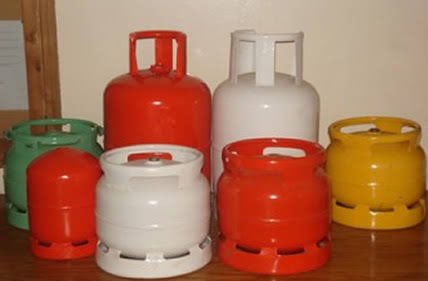
Cooking Gas Prices Rise To ₦8,167.43 For 5kg Cylinder in Nigeria, NBS Reports.

The National Bureau of Statistics (NBS) has reported a 3.57% increase in the average retail price for refilling a 5kg cylinder of liquefied petroleum gas (LPG), commonly known as cooking gas, in Nigeria. According to the NBS’s “Cooking Gas Price Watch” for May 2025, released on Thursday, 3 July 2025, the price rose from ₦7,885.60 in April to ₦8,167.43 in May, reflecting ongoing economic pressures impacting households across the country.


The report highlights significant regional variations in pricing. Abia recorded the highest average price for a 5kg cylinder at ₦9,181.20, followed closely by Ebonyi at ₦9,177.32 and Rivers at ₦9,174.40. In contrast, Oyo reported the lowest price at ₦7,116.49, with Niger and Plateau following at ₦7,142.07 and ₦7,177.10, respectively. Across Nigeria’s six geopolitical zones, the South-South zone saw the highest average retail price at ₦8,760.51, while the North-West recorded the lowest at ₦7,377.10, indicating disparities in supply chains and local market dynamics.



On a year-on-year basis, the price of a 5kg cylinder has surged by 10.10%, up from ₦7,418.45 in May 2024. The NBS attributes this rise to factors such as fluctuating exchange rates, increased import costs, and inadequate local production, with over 60% of Nigeria’s LPG supply still reliant on imports. This persistent price hike has raised concerns among consumers, many of whom are already grappling with high inflation and rising costs of essentials like food and transport.


The increase in cooking gas prices has sparked worries about its impact on Nigeria’s clean cooking initiatives. With prices climbing, some households may resort to traditional fuels like firewood and charcoal, which could undermine efforts to reduce deforestation and promote sustainable energy. The Nigerian Association of Liquefied Petroleum Gas Marketers has urged the government to boost local production, citing the potential of domestic refineries like Dangote to stabilise prices by reducing reliance on imports.


Despite the price surge, there is optimism that ongoing investments in Nigeria’s gas infrastructure could ease costs in the future. Industry experts have called for incentives to encourage companies to convert more propane to butane for domestic use, alongside expanded storage and distribution networks. For now, Nigerian households face the challenge of adjusting budgets to accommodate the rising cost of this essential commodity, with many hoping for swift government intervention to address the issue.

#Price Cooking Gas Economy Increase NBS Nigeria Report
Share. Facebook Twitter Pinterest LinkedIn Tumblr Email
Adejuyigbe Francis
  • Website

Thought Leader, Idea Bank, Nation Builder.

Related Posts

Tinubu’s Agricultural Vision: A Renewed Commitment To Food Security And Farmers’ Prosperity

November 23, 2026

No NIN, No Flight: FG Gives Airlines Until December 31 Before January Enforcement

November 23, 2026

Nigeria’s Fintech Boom Comes With A New National Responsibility

November 23, 2026

Comments are closed.

Here is spotlighting many benefits of journeying with either Lagos State’s Blueline or Redline rails for a hassle-free day, week, month and year. Thank God for the Igbega Eko. Together we rise.
https://youtu.be/V67GV8wgyjw

Latest Posts

  • Tinubu’s Agricultural Vision: A Renewed Commitment To Food Security And Farmers’ Prosperity
  • No NIN, No Flight: FG Gives Airlines Until December 31 Before January Enforcement
  • Nigeria’s Fintech Boom Comes With A New National Responsibility
  • A Nation Can’t Move Forward With Yesterday’s Laws
  • LAGOS 2027: Why Obafemi Hamzat Stands Head And Shoulders Above The Opposition

LATEST POSTS

Tinubu’s Agricultural Vision: A Renewed Commitment To Food Security And Farmers’ Prosperity

November 23, 2026

No NIN, No Flight: FG Gives Airlines Until December 31 Before January Enforcement

November 23, 2026

Nigeria’s Fintech Boom Comes With A New National Responsibility

November 23, 2026

A Nation Can’t Move Forward With Yesterday’s Laws

November 13, 2026

LAGOS 2027: Why Obafemi Hamzat Stands Head And Shoulders Above The Opposition

November 12, 2026

Subscribe to Updates

Get the latest news from FISHE about politics, economy, health and business, etc

Facebook X (Twitter) Instagram Pinterest
© 2026 ThemeSphere. Designed by ThemeSphere.

Type above and press Enter to search. Press Esc to cancel.