
Nigeria To Import Danish Dairy Cattle In Bold Move To Slash £1.2bn Import Bill.
In a significant step towards boosting local milk production and reducing reliance on costly imports, the Federal Government of Nigeria has unveiled plans to import high-yielding dairy cattle from Denmark. The initiative, announced on Monday, 2 June 2025, aims to address the nation’s £1.2 billion ($1.5 billion) annual dairy import bill, which accounts for approximately 60% of Nigeria’s milk consumption.
The Minister of Livestock Development, Idi Maiha, revealed the ambitious strategy, which targets doubling Nigeria’s milk production from 700,000 tonnes to 1.4 million tonnes annually within the next five years. Speaking in Abuja, Maiha highlighted the shortfall in domestic milk supply, noting that Nigeria’s annual consumption of 1.6 million tonnes far exceeds current production levels. “Our goal is ambitious but achievable,” Maiha stated, emphasising the need to modernise the dairy sector to meet growing demand.

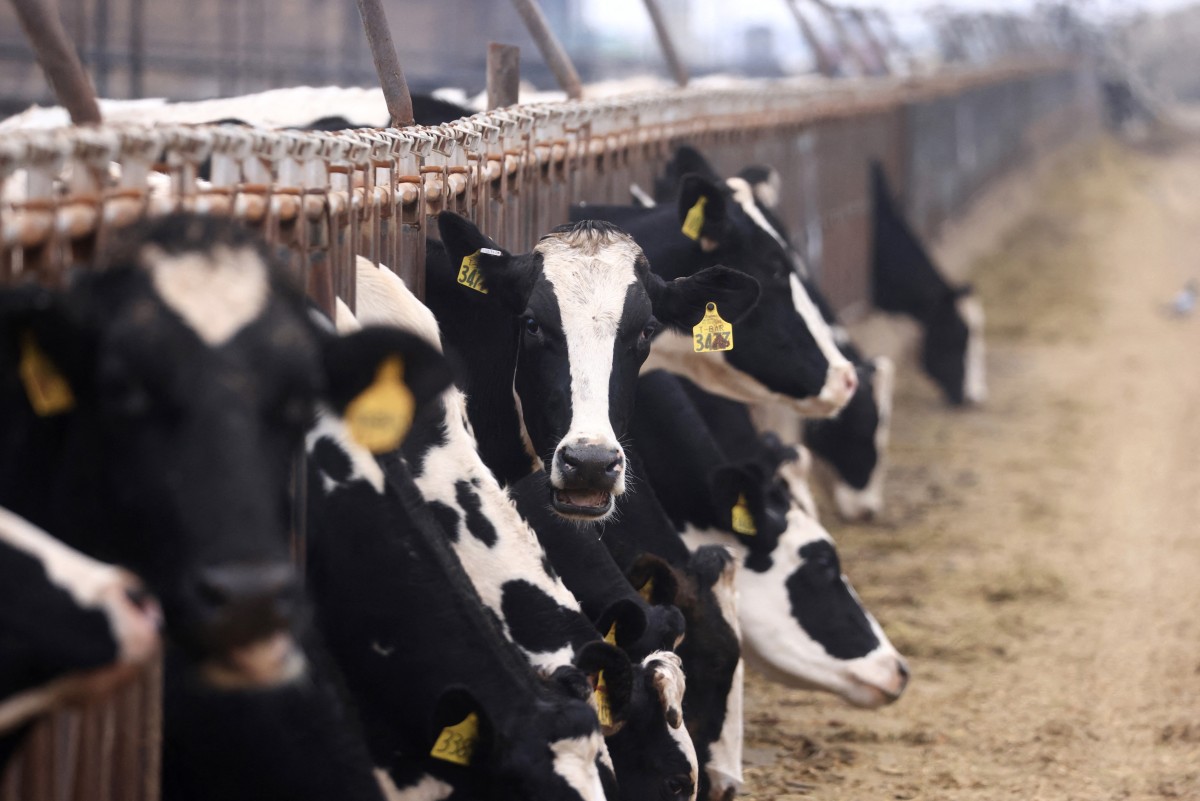
Nigeria, home to one of Africa’s largest cattle populations with over 20 million head, relies heavily on low-yielding pastoralist breeds. These traditional breeds have struggled to meet the nation’s dairy needs, necessitating substantial imports. To address this, the government has turned to Denmark, a global leader in dairy production, known for its high-quality Holstein and Jersey breeds, which produce significantly higher milk yields.
A pioneering Nigerian farm has already taken delivery of over 200 heifers from Denmark, marking the start of an intensive breeding programme aimed at upgrading local herds. “This is a transformative step,” Maiha said, noting that the imported cattle are expected to bolster milk output through structured breeding initiatives. Additionally, the government has registered eight new pasture species—the first such registrations in 48 years—and launched a national strategy for animal genetic resources with support from the Food and Agriculture Organisation (FAO).
The initiative is part of a broader effort to strengthen Nigeria’s agricultural sector and reduce dependency on foreign dairy products. The country’s substantial cattle population, including 60 million sheep and 1.4 million goats, provides a strong foundation for these efforts. “We are not starting from scratch,” Maiha added. “We are building on existing capacity to create a robust dairy industry.”
The move has been met with optimism from industry stakeholders, who see it as a critical step towards self-sufficiency. “Reducing our dairy import bill will not only save foreign exchange but also create jobs and improve food security,” said a spokesperson for a local dairy cooperative. However, challenges remain, including the need for improved infrastructure, training for farmers, and investment in modern dairy farming techniques.
Denmark’s dairy industry, renowned for its efficiency and sustainability, serves as an ideal partner for this initiative. With an annual milk processing volume of 5.4 billion kilograms and exports valued at £1.8 billion, Denmark is a global powerhouse in dairy production, led by companies like Arla Foods. The collaboration is expected to bring advanced breeding techniques and expertise to Nigeria, further enhancing the programme’s prospects.
As Nigeria embarks on this transformative journey, the government remains confident that the importation of Danish dairy cattle will pave the way for a thriving domestic dairy industry, reducing costs and bolstering economic resilience.
