Close Menu
  • Home
  • Entertainment
  • National
  • International
  • Tech
  • Politics
  • Sports
  • PMNI
  • More
    • Business
    • Culture
    • Education
    • History
    • Health
  • Featured
    • Fishe Travel
    • Fishe Media
    • Fishe TV
Facebook X (Twitter) Instagram
FISHE NEWS
  • Home
  • Entertainment
  • National
  • International
  • Tech
  • Politics
  • Sports
  • PMNI
  • More
    • Business
    • Culture
    • Education
    • History
    • Health
  • Featured
    • Fishe Travel
    • Fishe Media
    • Fishe TV
Facebook X (Twitter) Instagram
FISHE NEWS
Home»Health»NCDC Reports Surge In Cholera Cases: 1,141 Infected Across 30 Nigerian States
Health

NCDC Reports Surge In Cholera Cases: 1,141 Infected Across 30 Nigerian States

Omolemi EboisetaleBy Omolemi EboisetaleJune 14, 2024Updated:June 14, 2024No Comments3 Mins Read
Facebook Twitter Pinterest LinkedIn Tumblr Email
Share
Facebook Twitter LinkedIn Pinterest Email

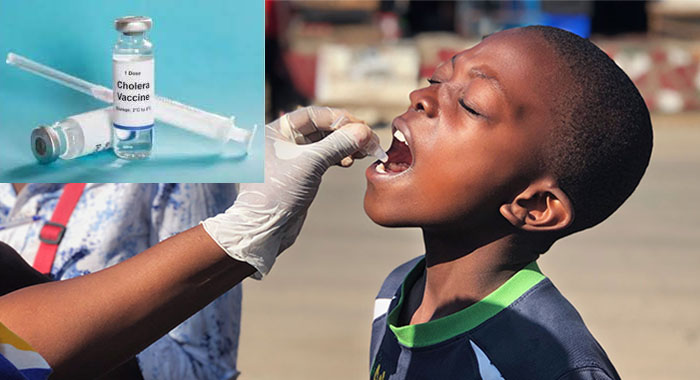
The Nigeria Centre for Disease Control and Prevention (NCDC) has issued a public warning about the increasing number of cholera cases in the country as the rainy season intensifies.

From January 1 to June 11, 2024, the NCDC reported a total of 1,141 suspected and 65 confirmed cases of cholera, with 30 resulting deaths, across 96 local government areas in 30 states.

Ten states—Bayelsa, Zamfara, Abia, Cross River, Bauchi, Delta, Katsina, Imo, Nasarawa, and Lagos have been identified as contributing 90 percent of the cholera burden.

The NCDC, led by Director-General Dr. Jide Idris, is working with a multi-sectoral National Cholera Technical Working Group to provide support to the affected states.



This group includes the Federal Ministries of Environment and Water Resources, the National Primary Health Care Development Agency, the World Health Organisation, the United Nations Children’s Fund, and other partners.

Efforts by the NCDC and partners include risk communication, active case search, laboratory diagnosis, case management, provision of response commodities, water sanitation and hygiene interventions, and dissemination of cholera awareness messages in both English and local languages.

Cholera, a food and water-borne disease caused by the Vibrio cholerae bacterium, spreads through contaminated water and food. Contamination typically occurs through the feces of infected individuals, affecting drinking water sources during transportation or storage. Street vendors’ beverages, ice, commercial bottled water, and improperly handled food also contribute to its spread.

Symptoms of cholera include acute profuse watery diarrhea, often described as “rice water stools,” along with nausea, vomiting, and fever. Severe cases can result in death within hours due to massive dehydration, although 80 percent of infected individuals may show only mild or no symptoms.

Those most at risk include individuals in areas with limited access to clean water and sanitation, those living in slums or rural areas relying on unsafe water sources, and those affected by disasters leading to overcrowded living conditions. Healthcare workers and caregivers of cholera patients are also at high risk.

Early detection and treatment with oral rehydration solutions and appropriate antibiotics can successfully manage the disease. The NCDC emphasizes prevention through access to safe drinking water, proper sanitation, waste disposal, and good hygiene practices, including frequent handwashing.

The public is advised to boil water before drinking, store it in clean, covered containers, ensure food is well-cooked, and avoid open defecation and indiscriminate refuse dumping.

Healthcare workers should follow standard safety precautions and enhance surveillance to report suspected cholera cases promptly.

Cholera Cases NCDC
Share. Facebook Twitter Pinterest LinkedIn Tumblr Email
Omolemi Eboisetale
  • Website

Related Posts

BREAKING IN THE NEWS: Several Feared Dead As Helicopter Crashes In Igbokoda, Ondo State

October 5, 2026

100 Days To Nigeria’s 2027 Election: The Ballot, The Battle And The Burden

October 5, 2026

Nigeria’s Data Needs To Return Home. But Is Our Infrastructure Up To The Task?

October 4, 2026

Comments are closed.

Here is spotlighting many benefits of journeying with either Lagos State’s Blueline or Redline rails for a hassle-free day, week, month and year. Thank God for the Igbega Eko. Together we rise.
https://youtu.be/V67GV8wgyjw

Latest Posts

  • BREAKING IN THE NEWS: Several Feared Dead As Helicopter Crashes In Igbokoda, Ondo State
  • 100 Days To Nigeria’s 2027 Election: The Ballot, The Battle And The Burden
  • Nigeria’s Data Needs To Return Home. But Is Our Infrastructure Up To The Task?
  • Nigeria Begins Local Production Of Next-Generation Malaria Nets As Harvestfield Opens New Front In Health Manufacturing
  • From Appropriation To Impact: What The 2025 Budget Extension Means For Citizens

LATEST POSTS

BREAKING IN THE NEWS: Several Feared Dead As Helicopter Crashes In Igbokoda, Ondo State

October 5, 2026

100 Days To Nigeria’s 2027 Election: The Ballot, The Battle And The Burden

October 5, 2026

Nigeria’s Data Needs To Return Home. But Is Our Infrastructure Up To The Task?

October 4, 2026

Nigeria Begins Local Production Of Next-Generation Malaria Nets As Harvestfield Opens New Front In Health Manufacturing

October 2, 2026

From Appropriation To Impact: What The 2025 Budget Extension Means For Citizens

October 1, 2026

Subscribe to Updates

Get the latest news from FISHE about politics, economy, health and business, etc

Facebook X (Twitter) Instagram Pinterest
© 2026 ThemeSphere. Designed by ThemeSphere.

Type above and press Enter to search. Press Esc to cancel.