Close Menu
  • Home
  • Entertainment
  • National
  • International
  • Tech
  • Politics
  • Sports
  • PMNI
  • More
    • Business
    • Culture
    • Education
    • History
    • Health
  • Featured
    • Fishe Travel
    • Fishe Media
    • Fishe TV
Facebook X (Twitter) Instagram
FISHE NEWS
  • Home
  • Entertainment
  • National
  • International
  • Tech
  • Politics
  • Sports
  • PMNI
  • More
    • Business
    • Culture
    • Education
    • History
    • Health
  • Featured
    • Fishe Travel
    • Fishe Media
    • Fishe TV
Facebook X (Twitter) Instagram
FISHE NEWS
Home»Economy»Nigeria’s Public Debt Hits N97.34 Trillion, Driven By Ways And Means Lending And Naira Devaluation
Economy

Nigeria’s Public Debt Hits N97.34 Trillion, Driven By Ways And Means Lending And Naira Devaluation

Editor FrancisBy Editor FrancisApril 4, 2024No Comments2 Mins Read
Facebook Twitter Pinterest LinkedIn Tumblr Email
Share
Facebook Twitter LinkedIn Pinterest Email

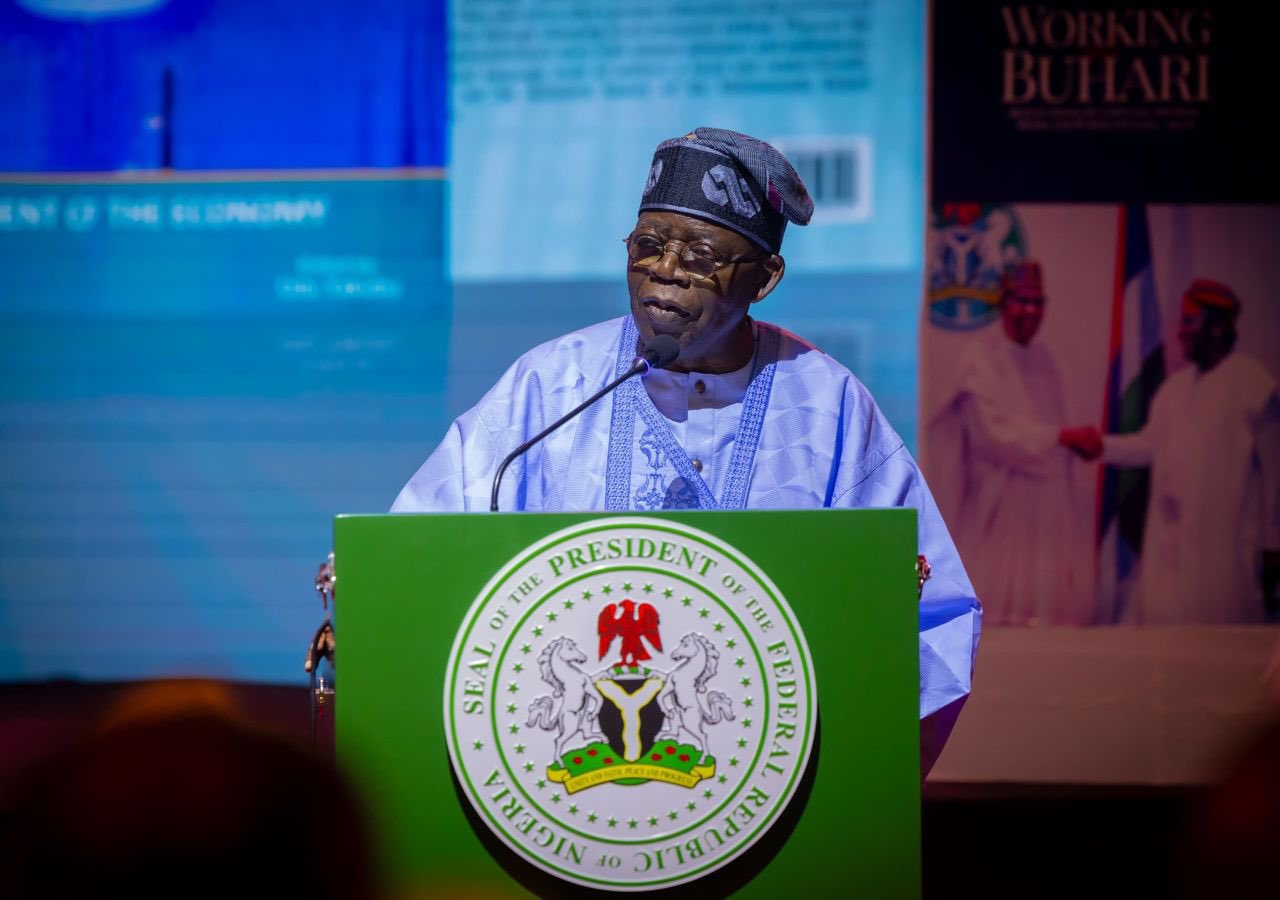
As of December 2023, Nigeria’s public debt has surged to an estimated N97.34 trillion ($108.23 billion), marking a staggering 146% increase from the previous year’s N39.56 trillion ($95.77 billion), according to data from the Debt Management Office (DMO).

The significant rise is primarily attributed to the addition of N20 trillion ($48 billion) in Ways and Means lending by the Central Bank of Nigeria (CBN) to the government and a substantial 60% devaluation of the naira.

Both the federal and state governments are grappling with a combination of domestic and foreign debts. Domestic debt, which comprises FGN securities, treasury bills, and CBN’s Ways and Means, stands at approximately N59.12 trillion, with states accounting for N5.86 trillion of this sum.

FGN securities, particularly FGN Bonds, dominate the domestic debt landscape, soaring to N42.2 trillion, a remarkable 169.5% year-over-year increase, largely fueled by the infusion of Ways and Means into FGN Bonds.



Treasury Bills have also seen a notable uptick, reaching N6.5 trillion, reflecting a 47.5% year-over-year rise. Promissory Notes and FGN Sukuk Funds have experienced substantial increases as well, indicating robust utilization and confidence in these instruments.

On the foreign debt front, Nigeria’s total external debt balance stands at $42.5 billion (N38.22 trillion), with states owing $4.61 billion (N4.15 trillion). Notably, China tops the list of bilateral creditors, with loans totaling $5.17 billion, constituting about 86.7% of the total owed to countries.

Multilateral institutions such as the Islamic Development Bank (IsDB) and the International Development Association (IDA) have significantly increased their lending, reflecting growing support for developmental projects in Nigeria.

While Nigeria’s total public debt remains below the internationally accepted threshold of 42% of GDP, the reliance on domestic debt exposes the government to currency risks. With 61% of debts denominated in local currency, the government maintains moderate control over managing its domestic obligations.

However, servicing foreign debts has become increasingly expensive, particularly amid revenue challenges and naira devaluation. Although Nigeria may continue borrowing through the issuance of FGN securities to bridge budget deficits, caution is warranted regarding further accumulation of foreign debt given current economic conditions.

#President Tinubu Debt Management Office DMO
Share. Facebook Twitter Pinterest LinkedIn Tumblr Email
Editor Francis
  • Website

Related Posts

Nigeria’s Data Needs To Return Home. But Is Our Infrastructure Up To The Task?

October 4, 2026

Nigeria Begins Local Production Of Next-Generation Malaria Nets As Harvestfield Opens New Front In Health Manufacturing

October 2, 2026

From Appropriation To Impact: What The 2025 Budget Extension Means For Citizens

October 1, 2026

Comments are closed.

Here is spotlighting many benefits of journeying with either Lagos State’s Blueline or Redline rails for a hassle-free day, week, month and year. Thank God for the Igbega Eko. Together we rise.
https://youtu.be/V67GV8wgyjw

Latest Posts

  • Nigeria’s Data Needs To Return Home. But Is Our Infrastructure Up To The Task?
  • Nigeria Begins Local Production Of Next-Generation Malaria Nets As Harvestfield Opens New Front In Health Manufacturing
  • From Appropriation To Impact: What The 2025 Budget Extension Means For Citizens
  • Fuel Import Licence Ruling Opens New Front In Nigeria’s Battle Over Who Controls Petrol Supply
  • Nigeria’s Permanent UN Security Council Bid: A Strong Case for Africa, But A Weak Case For Nigeria Alone

LATEST POSTS

Nigeria’s Data Needs To Return Home. But Is Our Infrastructure Up To The Task?

October 4, 2026

Nigeria Begins Local Production Of Next-Generation Malaria Nets As Harvestfield Opens New Front In Health Manufacturing

October 2, 2026

From Appropriation To Impact: What The 2025 Budget Extension Means For Citizens

October 1, 2026

Fuel Import Licence Ruling Opens New Front In Nigeria’s Battle Over Who Controls Petrol Supply

September 30, 2026

Nigeria’s Permanent UN Security Council Bid: A Strong Case for Africa, But A Weak Case For Nigeria Alone

September 28, 2026

Subscribe to Updates

Get the latest news from FISHE about politics, economy, health and business, etc

Facebook X (Twitter) Instagram Pinterest
© 2026 ThemeSphere. Designed by ThemeSphere.

Type above and press Enter to search. Press Esc to cancel.