
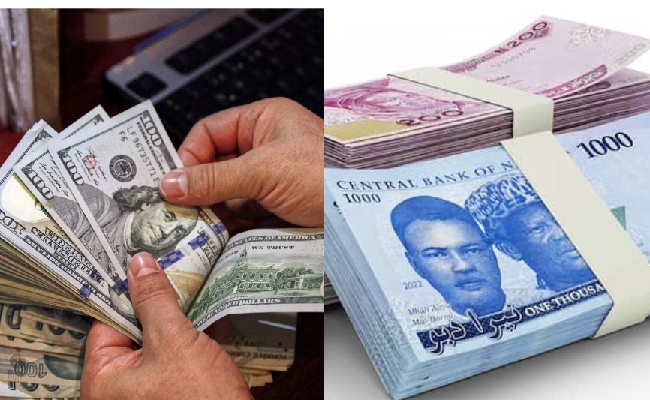
The Central Bank of Nigeria (CBN) has called out commercial banks for allegedly hoarding over $5 billion in foreign currencies, surpassing the approved threshold. The apex bank attributes the ongoing forex scarcity and the naira’s decline against the dollar to the actions of Deposit Money Banks (DMBs).
This accusation follows the CBN’s expression of concern about banks’ excessive forex exposure just a day prior. As of the close of the market, the naira experienced a significant gain against the dollar, reaching N1,450/$ at the parallel market compared to N1,520/$ on Wednesday.
Banks found to be in violation of the CBN’s directives are given a deadline to rectify their actions. The CBN mandates these banks to release any excess foreign currency they hold to individuals and businesses in need of foreign exchange by today’s deadline. Failure to comply with this directive will result in sanctions as per existing rules and regulations.
To underscore the seriousness of this directive, CBN officials have deployed teams of examiners to closely monitor compliance with the directive in all commercial banks heavily engaged in foreign exchange transactions.

The CBN’s objective is to address the acute scarcity of foreign currency by releasing surplus funds into the market, thereby increasing liquidity and alleviating the strain on the naira’s value.
The initial market response to the CBN’s directive has been described as mixed. Some banks have swiftly adhered to the directive, ensuring they meet the deadline for releasing excess dollars. This proactive approach is seen as a positive step towards easing the pressure on the naira and promoting a more favourable exchange rate.
However, some financial institutions are reportedly cautious about revealing their exact dollar reserves and are treading carefully before fully complying. Their hesitation may stem from concerns about potential disruptions to their operations and the potential impact on their customers.
A top banking source highlighted the CBN’s stance, emphasising that holding excess dollar liquidity without commitment to a specific transaction or obligation is no longer permissible. The move is expected to stimulate liquidity, stabilise the exchange rate, and attract foreign investors.
Dr. Wahab Balogun of Ambosit Capital Managers provided expert analysis, acknowledging potential benefits and drawbacks. While increased forex liquidity and a stabilised naira are desirable, he stressed the importance of carefully managing disruptions to banks, inflation, and other sectors. Balogun emphasised that monitoring, adjustments, and communication from the CBN and banks are crucial for achieving positive outcomes.
Positive implications of the CBN’s directive include increased forex liquidity, potentially stabilising the naira’s exchange rate, and facilitating easier access to funds for businesses reliant on foreign exchange.
However, releasing large amounts of foreign currency might pose temporary operational challenges for banks, impacting their profitability and liquidity. The increased liquidity could also fuel inflation if not managed carefully, raising concerns about potential challenges for sectors reliant on a weaker naira.
