
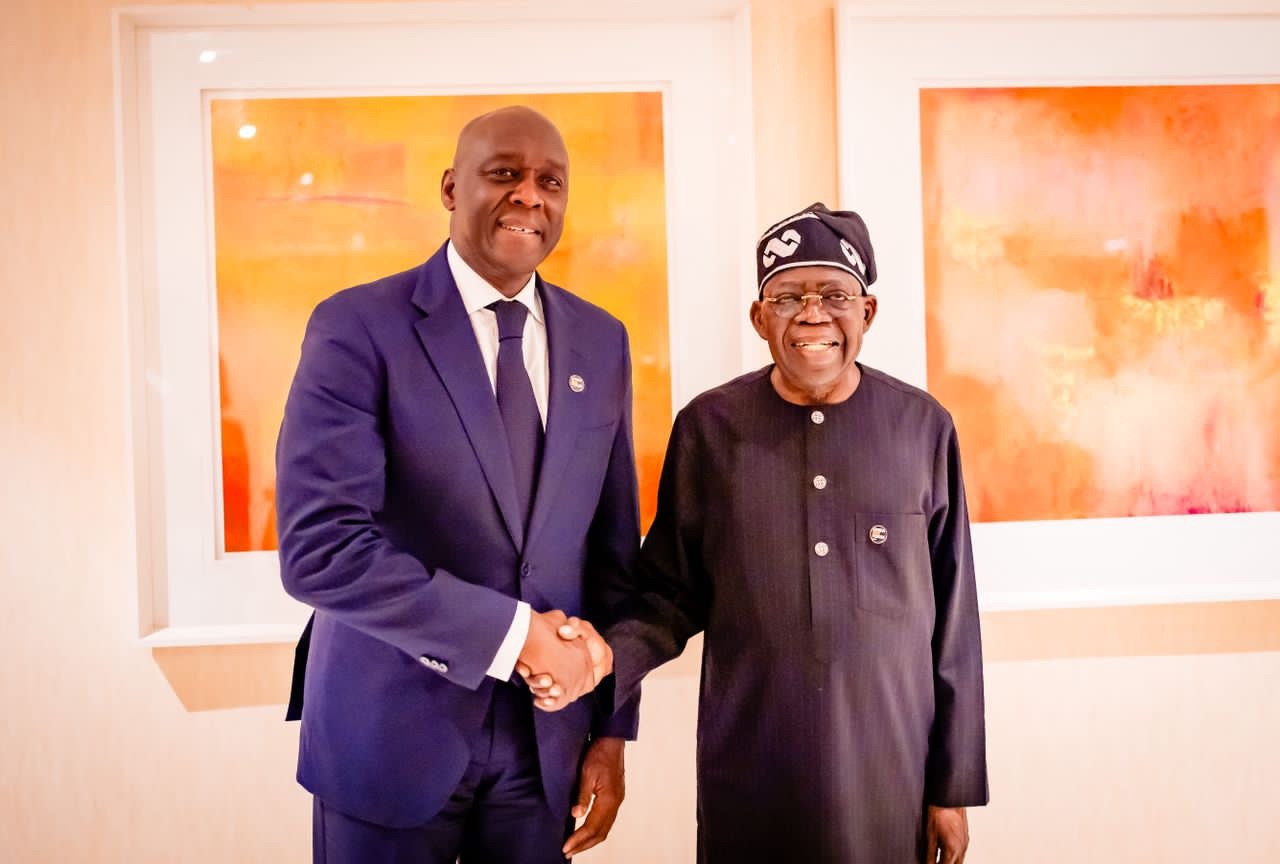
The International Finance Corporation (IFC), is gearing up to send a high-level team to Nigeria to explore investment opportunities that could attract significant private capital in key sectors of the economy. They’re looking at areas like livestock production, energy infrastructure, and housing development, all of which are vital for Nigeria’s long-term economic growth and transformation.
This announcement came during the 13th Africa CEO Summit in Kigali, Rwanda, where IFC’s Managing Director, Makhtar Diop, had a chance to meet with Nigeria’s President, Bola Ahmed Tinubu, on the sidelines. The IFC team also included Ethiopis Tafara and Dahlia Khalifa.
In their discussion, Makhtar Diop highlighted IFC’s eagerness to work with Nigeria on creating investment frameworks that would draw in both local and international private-sector players. He pointed out that the corporation is particularly keen on supporting projects in energy generation and transmission, affordable housing, and modern livestock production systems that can enhance food security, create jobs, and promote economic diversification.
Makhtar Diop praised President Tinubu for taking bold steps in economic reform, especially the removal of fuel subsidies and the streamlining of Nigeria’s foreign exchange system. He called these reforms courageous and transformative, noting that they have boosted investor confidence and shown Nigeria’s commitment to reshaping its economy.

According to Diop, the choice to eliminate fuel subsidies demonstrated a strong commitment to political will and economic leadership. He emphasized that these reforms are crucial for restoring macroeconomic stability and fostering a more transparent, investment-friendly business climate. The Managing Director of the IFC pointed out that international investors typically seek policy consistency and credible reforms before they decide to invest long-term capital, and Nigeria’s recent policy shifts have made the country a more appealing destination for investment.
President Tinubu, in his comments, reiterated Nigeria’s readiness to engage in partnerships that can mobilise private capital for national development. He underscored the need to transform African pension funds into strategic tools for development finance, which can support infrastructure projects and investments in productive sectors across the continent.
The President argued that African countries should increasingly depend on domestic institutional capital to fund infrastructure, industrialisation, and economic transformation, rather than relying solely on external borrowing. He pointed out that pension funds, sovereign investment vehicles, and insurance assets throughout Africa hold significant potential that can be directed toward long-term development projects if they are structured and managed effectively.
Tinubu also stressed the critical role of energy decentralisation and transmission infrastructure in speeding up Africa’s industrialisation efforts. He believes that enhancing electricity transmission systems, improving regional interconnectivity, and providing decentralised energy access would draw in more private-sector investment and boost economic growth across the continent.
He emphasized that for Africa to truly realize its development goals, it’s crucial to tackle the ongoing energy issues the continent faces. The President pointed out that having reliable electricity is one of the biggest hurdles to industrial growth, job creation, and technological progress in numerous African nations. He urged for a stronger partnership among governments, development finance institutions, and private investors to close the current gap in infrastructure funding.
The meeting also looked into potential financing methods that could enhance infrastructure investment throughout Africa. They discussed options like local currency financing structures, getting institutional investors involved, and financial swap arrangements aimed at lowering investment risks and making long-term funding more accessible.
Makhtar Diop highlighted that local currency financing facilities and collaborations with African financial institutions could boost regional financial integration and promote cross-border trade. He mentioned opportunities for collaboration with Nigerian banks like Access Bank, emphasizing that robust regional banking institutions can significantly contribute to infrastructure development and economic integration across the continent.
The IFC Managing Director further pointed out that many African countries share similar developmental challenges, such as infrastructure shortages, unemployment, lack of adequate housing, and limited industrial capacity. Consequently, he called for a united continental strategy focused on what he referred to as an “African Renaissance,” led by strong African institutions, regional economic leaders, and sustainable private-sector investment.
The IFC’s upcoming mission to Nigeria aims to create a solid framework for spotting promising investment opportunities, enhancing financing options, and bolstering public-private partnerships in key sectors. Experts are optimistic that a successful partnership between Nigeria and the IFC could tap into billions of dollars in private investments, boost infrastructure development, create jobs, and speed up efforts to diversify the economy in Africa’s largest nation.
In the livestock industry, investments could revolutionize farming methods, improve supply chains, and increase food production capabilities. In housing, more funding could help tackle Nigeria’s significant housing shortage by backing affordable housing initiatives and urban development projects. Likewise, investments in energy infrastructure could enhance electricity availability, boost industrial productivity, and provide power access to millions of Nigerians.
All in all, the discussions between the IFC and the Nigerian government signal a growing global trust in Nigeria’s economic reforms and underscore the vital role of public-private partnerships in tackling Africa’s development challenges.
