
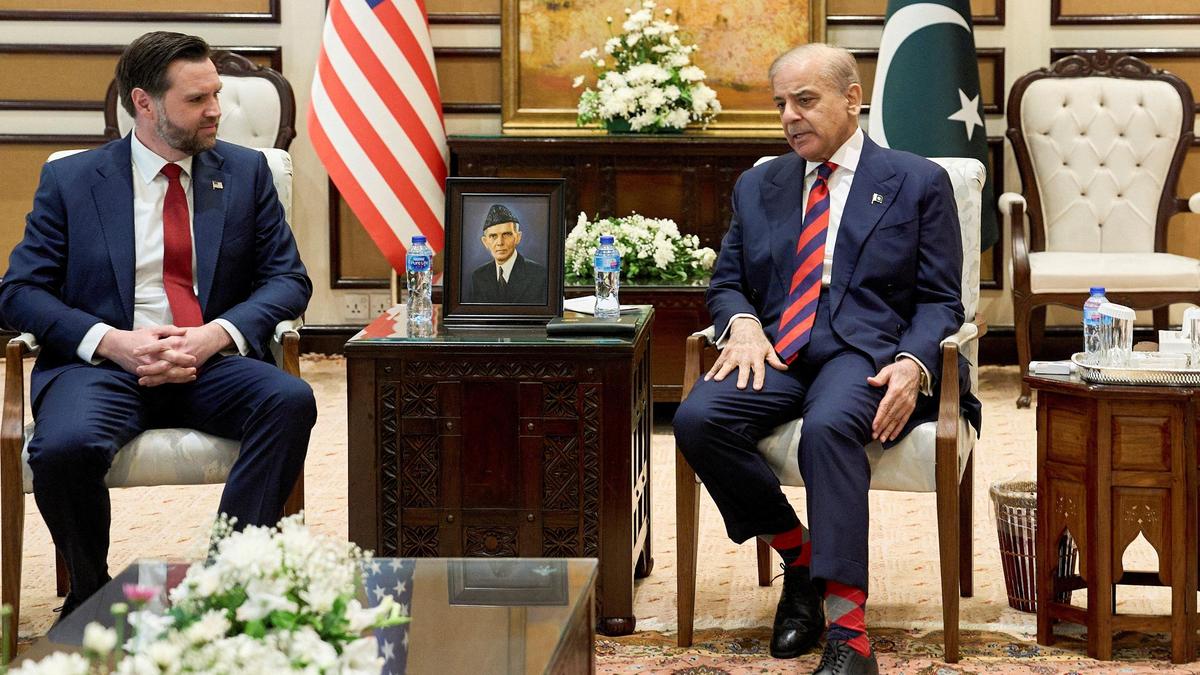
The long-standing tensions between the United States and Iran reached a critical point on April 11–12, 2026, prompting urgent diplomatic efforts to prevent further escalation. Against the backdrop of a fragile ceasefire following weeks of military confrontation, both nations agreed to engage in high-level peace negotiations hosted in Islamabad, Pakistan.
These talks were widely viewed as a significant opportunity to de-escalate hostilities, address key areas of dispute—including nuclear development, regional security, and control of strategic waterways—and lay the groundwork for a lasting peace agreement. However, despite intensive discussions lasting nearly a full day, the negotiations ultimately failed to produce a consensus.
This report examines the context, proceedings, and outcomes of the Islamabad talks, highlighting the major points of disagreement that led to the breakdown in negotiations, as well as the broader implications for regional stability and global security.
The negotiations took place during an intense phase of the 2026 Iran–U.S. conflict, which involved:
- A six-week war affecting multiple regions in the Middle East
- Escalations linked to the Strait of Hormuz, a critical global oil route
- Spillover tensions involving Israel, Lebanon (Hezbollah), and Gulf states
Prior to the talks:
- A two-week ceasefire had been brokered by Pakistan to halt immediate fighting
- Pakistan positioned itself as a neutral mediator, pushing for diplomacy over further escalation
The Islamabad Talks
- Held in Islamabad, Pakistan (April 11–12, 2026)
- First direct high-level talks between the U.S. and Iran in decades
- Lasted approximately 21 hours
-
Mediated by Pakistan, with top-level delegations:
- U.S.: Led by Vice President, JD Vance
- Iran: Led by senior political and diplomatic officials
Objectives
- Extend or solidify the ceasefire
- Negotiate a long-term peace agreement
-
Address:
- Nuclear program concerns
- Maritime security (Hormuz)
- Regional conflicts
Key Reasons for Failure
The talks collapsed due to deep disagreements on core issues:

a. Nuclear Program
- The U.S. demanded Iran abandon nuclear weapons ambitions
- Iran refused to limit its nuclear program, insisting on its rights
This was one of the primary deal-breakers
b. Strait of Hormuz Control
- Iran demanded greater control or sovereignty over the strategic waterway
- The U.S. opposed any move that could threaten global oil shipping
This created major geopolitical tension
c. Military and Regional Issues
Iran demanded:
- A ceasefire in Lebanon
- Limits on Israeli military actions
- No restrictions on its missile program
The U.S. maintained a more cautious and security-focused stance
d. Reparations and Sanctions
- Iran requested:
- Financial compensation
- Unfreezing of assets
- The U.S. was reluctant to agree
e. Mutual Distrust
- Both sides blamed each other for unreasonable demands
- Iran indicated it did not expect a deal in the first meeting
Outcome of the Talks
- No agreement reached after 21 hours
- U.S. delegation left Pakistan without a deal
- Ceasefire remains fragile and uncertain
Statements after the talks:
- U.S.: Iran refused to accept key terms
- Iran: U.S. demands were excessive
Immediate Global Impact
a. Economic Effects
- Gulf stock markets declined sharply after news of failure
- Investors feared renewed conflict
- Oil markets showed instability
b. Security Concerns
- Risk of:
- Ceasefire collapse
- Renewed military escalation
- Strategic waterways like Hormuz remain sensitive
c. Diplomatic Fallout
- Despite failure:
- Talks were described as “constructive but inconclusive”
- Possibility of future negotiations remains
Role of Pakistan
Pakistan played a critical diplomatic role:
- Hosted the talks
- Brokered the initial ceasefire
- Acted as a neutral intermediary between rivals
Although the talks failed, Pakistan:
- Prevented immediate escalation
- Kept diplomatic channels open
Broader Significance
The failure highlights:
- The complexity of U.S.–Iran relations
- The difficulty of resolving:
- Nuclear disputes
- Regional proxy conflicts
- Strategic control of energy routes
It also underscores:
- The fragility of ceasefires without political agreement
- The continuing risk of a wider Middle East conflict
Conclusion
The Pakistan-hosted peace talks marked a historic diplomatic effort, but ultimately failed due to irreconcilable differences over nuclear policy, regional influence, and security demands.
While the negotiations did not produce a deal, they:
- Opened direct dialogue after decades
- Reduced immediate tensions temporarily
However, without compromise, the region remains on the edge of renewed instability.
