
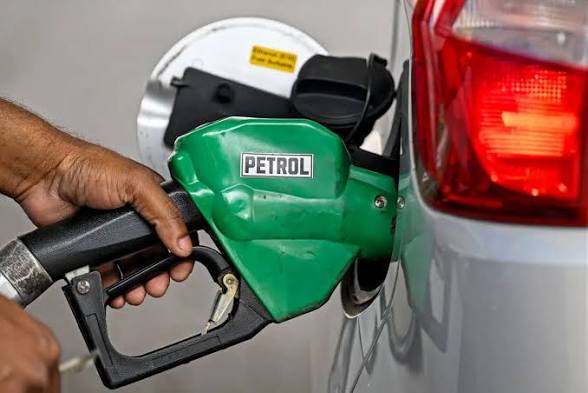
On April 7, 2026, the Dangote Petroleum Refinery announced a fresh increase in its ex-depot (gantry), prices for refined petroleum products:
- Petrol (PMS): ₦1,275 per litre (up by ₦75, 5.02%)
- Diesel (AGO): ₦1,950 per litre (up by ₦200)
This marks a significant escalation from previous levels:
- Petrol: from about ₦1,200/litre
- Diesel: from about ₦1,750/litre
The increase pushes diesel prices close to the ₦2,000/litre threshold, raising concerns about broader economic impacts.
Key Drivers of the Price Hike
a. Global Crude Oil Price Volatility
The refinery attributed the increase primarily to international market forces, including:
- Rising global crude oil prices
- Geopolitical tensions, especially in the Middle East
- Supply disruptions affecting global energy markets
These external shocks directly influence the cost of refined petroleum products in Nigeria.

b. Linkage to International Pricing Benchmarks
Despite local refining, fuel pricing remains tied to:
- Global crude benchmarks
- International trading dynamics
As a result, domestic refining has not insulated Nigeria from global price swings.
c. Market Liberalisation and Subsidy Removal
The price hike reflects the realities of a fully deregulated downstream sector, following:
- Removal of fuel subsidies
- Market-driven pricing mechanisms
This means refiners and marketers adjust prices in response to costs rather than government controls.
Recent Trend of Repeated Price Increases
The latest hike is part of a pattern of frequent upward reviews:
- March 2026: Petrol rose to about ₦1,175; diesel to ₦1,620
- Late March 2026: Petrol increased further to around ₦1,245–₦1,275
- April 2026: New peak at ₦1,275 (petrol), and ₦1,950 (diesel)
This indicates:
- Persistent cost pressures
- Increasing instability in fuel pricing
Economic Implications
a. Rising Cost of Living
Higher fuel prices directly affect:
- Transportation costs
- Food prices (due to logistics expenses)
- Household energy expenses
This could worsen Nigeria’s cost-of-living crisis.
b. Impact on Businesses
Diesel, heavily used by:
- Manufacturers
- SMEs
- Power generators
is now near ₦2,000/litre, which may lead to:
- Increased production costs
- Higher prices of goods and services
- Reduced profitability for businesses
c. Inflationary Pressure
Fuel price increases are a key driver of inflation in Nigeria. The hike is likely to:
- Push inflation rates higher
- Reduce consumer purchasing power
Implications for the Energy Sector
a. Expectations vs Reality of Local Refining
The Dangote Refinery—Africa’s largest with 650,000 barrels/day capacity—was expected to:
- Reduce fuel imports
- Stabilise prices
However:
- Prices remain volatile
- Nigeria is still exposed to global oil dynamics
b. Export vs Domestic Supply Dynamics
Recent reports show the refinery:
- Exporting fuel across Africa
- Operating at full capacity
Yet, domestic prices remain high due to:
- Global crude costs
- Market-based pricing structures
Broader Market Context
Key structural factors shaping fuel pricing include:
- Exchange rate pressures
- Crude oil sourcing (often dollar-denominated)
- Logistics and distribution costs
- Limited competition in domestic refining
Outlook
Short-Term
- Prices may continue rising if global crude prices remain high
- Diesel could exceed ₦2,000/litre
Medium-Term
- Stability depends on:
- Access to cheaper crude (possibly in naira)
- Increased domestic supply
- Government policy interventions
Long-Term
- Expansion of refining capacity and competition could:
- Improve supply
- Potentially moderate prices
Conclusion
The hike to ₦1,275 for petrol and ₦1,950 for diesel underscores a critical reality:
local refining alone is not enough to shield Nigeria from global oil market volatility.
While the Dangote Refinery has improved supply capacity, pricing remains:
- Market-driven
- Sensitive to international crude oil trends
As a result, Nigerians continue to face rising energy costs, with significant implications for inflation, businesses, and overall economic stability.
